A Fleeting Fig Campaign
High temperatures at the end of June forced a hasty harvest, overwhelming storage facilities
José Vicente Pérez Pardo
Alicante
Thursday, 10 July 2025, 17:30
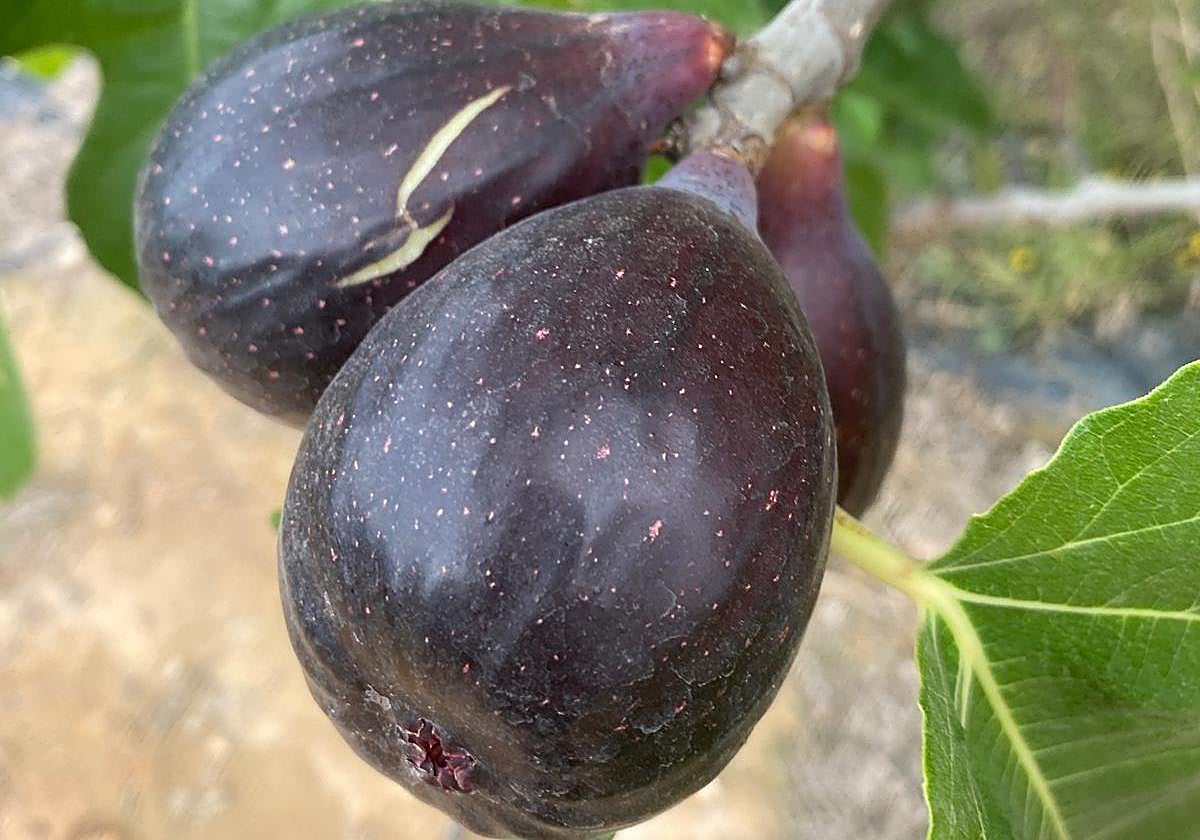
Unseasonably cooler winter, with moderate and timely rainfall, has contributed to a better production of figs and brevas in Alicante province compared to 2024. The fields have returned to figures from five years ago, when "good harvests" of this traditional fruit were common, especially during the Hogueras de San Juan de Alicante. Asaja Alicante estimates the harvest at 6.2 million kilos, with 2.8 million being brevas and 3.4 million figs, mainly from Albatera and Camp d'Elx.
However, during the week of June 23 to 29, a heatwave with temperatures two to three degrees above normal caused "certain management issues." Roque Bru, a fig producer in Elche and representative of this sector in Asaja Alicante, explains that "the excessive heat" accelerated ripening at the end of the campaign, forcing a quicker harvest and creating logistical challenges in storage. Despite efforts, the figs harvested during those days were "softer," with a shorter shelf life and higher discard rates. Fortunately, "this situation is likely to be offset by the large production we have this year," he asserts.
Related news
The Diputación increases aid to Albatera figs by 20%
The fig is the first annual fruit of the fig tree, providing the highest economic returns. It is consumed for just over a month (May-June), leading to the second harvest of this tree in July and August, the figs. The fig tree is a fruit tree with a very good market acceptance, with increasingly coveted fruits. Additionally, its high tolerance to salinity grants it resistance to water scarcity. All this makes it a deeply rooted crop in the province.
The president of Asaja Elche, Pedro Valero, reports that "in Camp d'Elx, the fig tree plays a significant social role, covering about 200 hectares with many small farmers and ensuring employment for about a thousand people during the harvest season." Farmer Roque Bru celebrates the revitalisation of the crop compared to 2024, which was marked by excessive winter heat and damage from a fungus on the tree's leaves: "Both factors penalised the previous harvest, but this year we have recovered."
Meanwhile, the municipality of Albatera has also reported a good production, highlighting the excellent quality of the fruit, its flavour, and the high nutritional value of the breva colar.
The Alicante agricultural association estimates that in 2025, the economic value of the crop across the province of Alicante will exceed 11 million euros. Regarding prices at source, ASAJA Alicante hopes they "will be reasonable and make for a profitable campaign for the farmer."