These are the keys to reducing the effects of pneumonia
It is one of the most prevalent diseases and the leading cause of death from infection worldwide
Pau Sellés
Alicante
Monday, 10 November 2025, 11:45
Pneumonia is one of the most prevalent diseases and the leading cause of death from infection worldwide, creating a high demand for care in the healthcare system. This is the diagnosis from Vithas hospitals in the Valencian Community, which, on the occasion of World Pneumonia Day (12 November), focus on its prevention.
According to Dr. Juan Carlos Padilla, a pulmonologist at Vithas Medimar Hospital, "annual flu vaccination, pneumococcal vaccines for those over 65 or at risk, the COVID-19 vaccine and its boosters, along with adopting healthy habits such as frequent hand washing, avoiding tobacco, and ventilating closed spaces, are key measures to reduce the incidence of this disease."
Dr. Iván Santiago Arroyo, a pulmonologist at Vithas Aguas Vivas Hospital, notes that "pneumonia is an acute infection affecting the lungs, causing inflammation and accumulation of fluid or pus in the lung tissue." It can be caused by a wide variety of microorganisms - bacteria, viruses, or fungi - and "its severity depends on the patient's immune status and the type of microorganism involved," he states.
Some symptoms can be confused with other respiratory diseases such as flu or bronchitis.
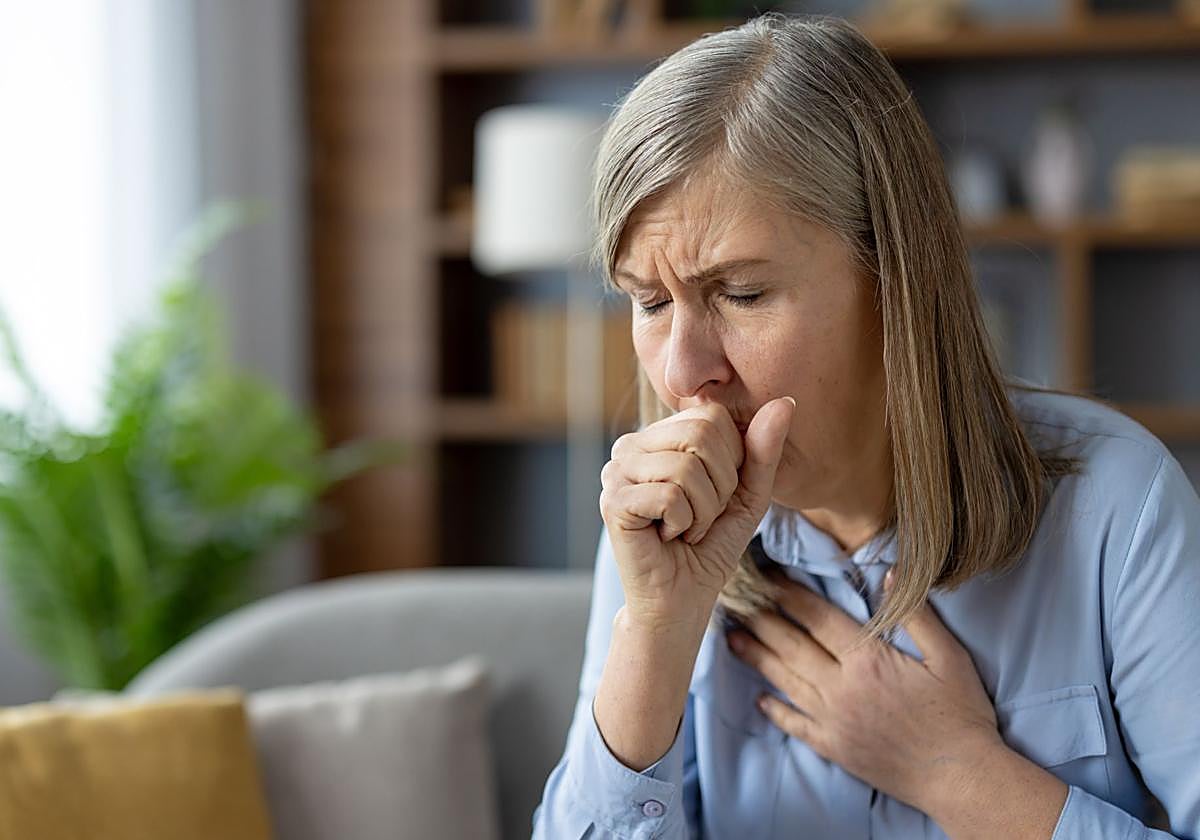
Some symptoms can be confused with other respiratory diseases such as flu or bronchitis. The most common include high fever, cough with phlegm, chest pain when breathing or coughing, difficulty breathing or feeling short of breath, and general weakness. In older people, it may manifest as confusion, drowsiness, or worsening of their general condition without high fever.
Risk groups and factors
Dr. Amina Bekki, a pulmonologist at Vithas Valencia 9 de Octubre Hospital, highlights that "community-acquired pneumonia is one of the most prevalent diseases and the leading cause of death from infection worldwide, causing a high demand for care in the healthcare system." Its annual incidence is estimated at around 2-5 adults per 1,000 inhabitants, increasing significantly in those over 65, people with COPD (chronic obstructive pulmonary disease), diabetes, cardiovascular, liver, kidney diseases, or immunosuppression.
Toxic habits such as smoking - especially active, but also passive - and alcoholism significantly increase the risk of suffering from pneumonia, hospitalization due to respiratory or systemic complications, and death. "Tobacco smoke impairs the immune system and promotes bacterial colonization in the respiratory tract. The greater the consumption, the higher the risk of pneumonia and its complications," adds Dr. Bekki.
Diagnosis and treatment
Meanwhile, Dr. María Fernanda León, a pulmonologist at Vithas Valencia Consuelo Hospital, explains that the diagnosis of pneumonia is based on clinical examination, chest X-ray, and in some cases, blood tests or sputum culture. "Treatment can be outpatient with oral antibiotics or require hospitalization in severe cases. The essential thing is to act quickly to avoid complications and promote complete recovery," she states.
In this regard, Dr. Rosaly Moreno, a pulmonologist at Vithas Valencia Turia Hospital, warns that poorly treated pneumonia can lead to serious complications, such as generalized infection (sepsis) or pleural effusion. "The main goal of pulmonary care is to diagnose and treat pneumonia correctly, thus avoiding hospitalizations, prolonged stays, and complications that can affect not only the lungs but also the heart. There is a studied relationship between pneumonia and the development of subsequent cardiac events such as heart attack or heart failure," she notes.
"In older people or those with chronic respiratory diseases, pneumonia can leave sequelae such as decreased lung function, worsening respiratory symptoms, and increased risk of new infections," states Dr. Moreno.
When to see a doctor
For all these reasons, Dr. Juan Carlos Padilla recommends consulting a doctor or going to the emergency room if signs such as high fever that does not subside with antipyretics, rapid breathing, intense chest pain when inhaling, or persistent cough with purulent or bloody sputum appear.
"In young children, attention should be sought when there is rapid breathing, rib retraction, bluish lips, refusal to eat, or lethargy," she adds. "In people with chronic diseases, consultation should be done early."