More Than Just a Beach Destination: Alicante is Pure Culture
Discover Alicante's artistic offerings that make it a perfect autumn getaway
Suplementos
Wednesday, 19 November 2025, 07:26
When we think of the city of Alicante, its pleasant weather, beaches, picturesque streets, and of course, its gastronomy come to mind. It's no wonder Alicante has been chosen as the Spanish Capital of Gastronomy 2025. The city boasts countless bars and restaurants that focus on local produce, blending tradition with modernity.
However, Alicante is much more than sun, sea, and good food. Alicante is also pure culture. The city holds a vast array of museums, art galleries, and cultural centres, making it the ideal place for an autumn getaway.
If you want to discover the best rice restaurants in Alicante, click here. If you want to know why a trip to Alicante is the perfect plan, click here. But if you want to know about the cultural offerings of this wonderful region for the coming weeks, stay tuned, as we detail them for you:
The MACA: Alicante's Artistic History
1 /
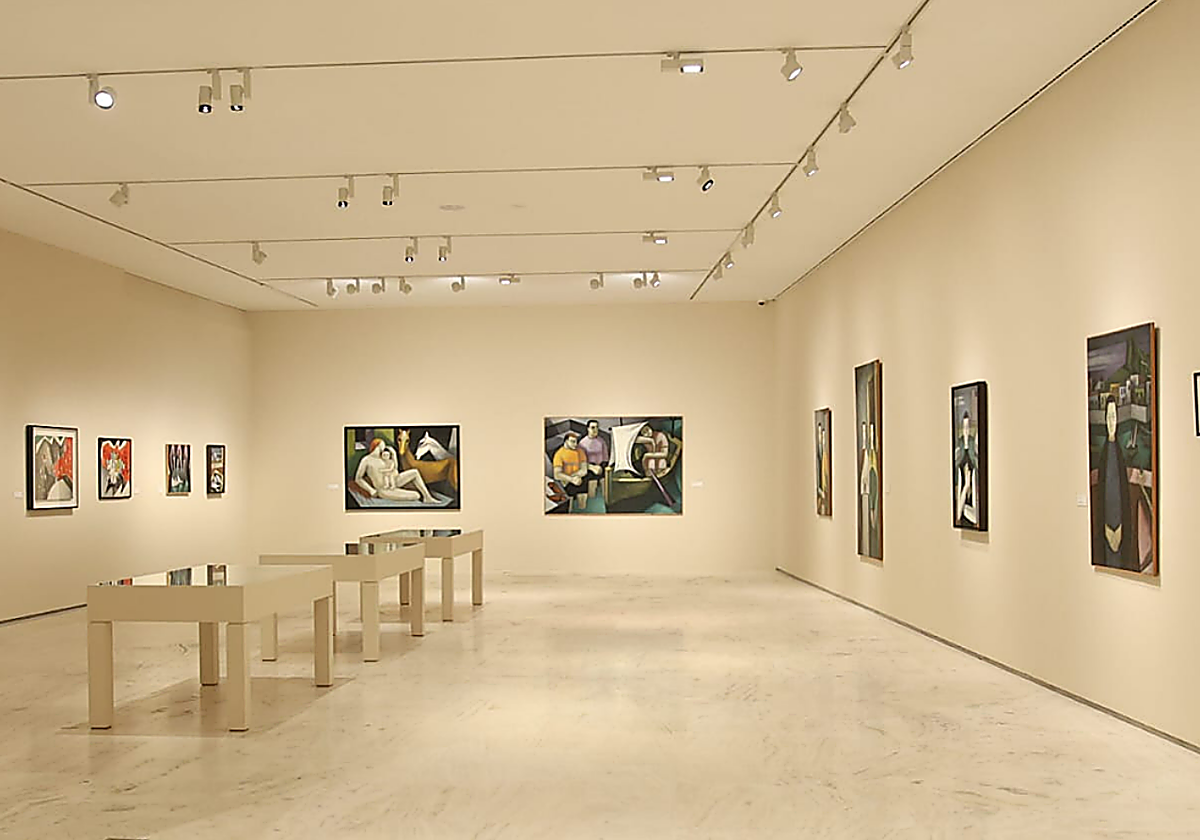
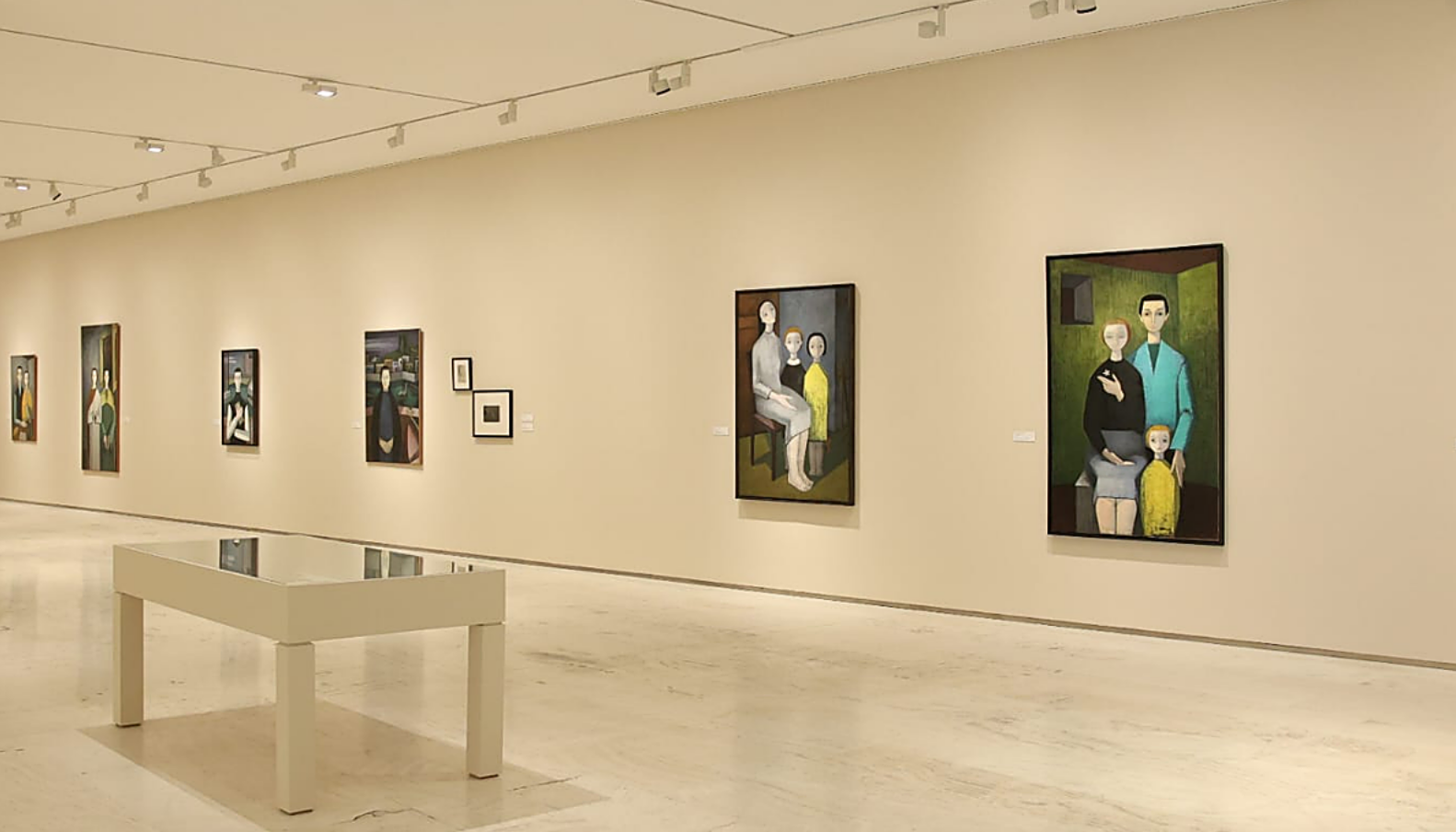
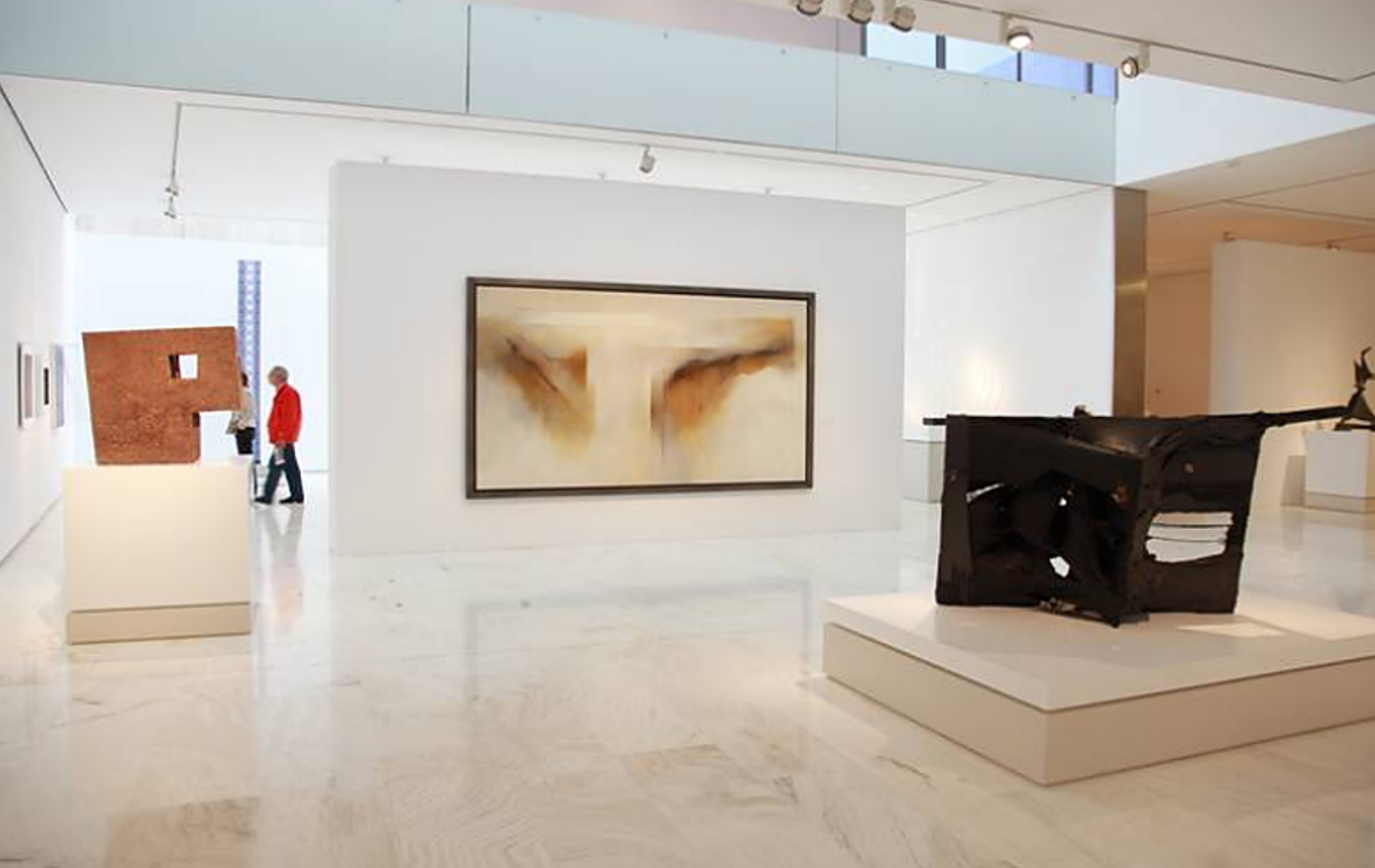
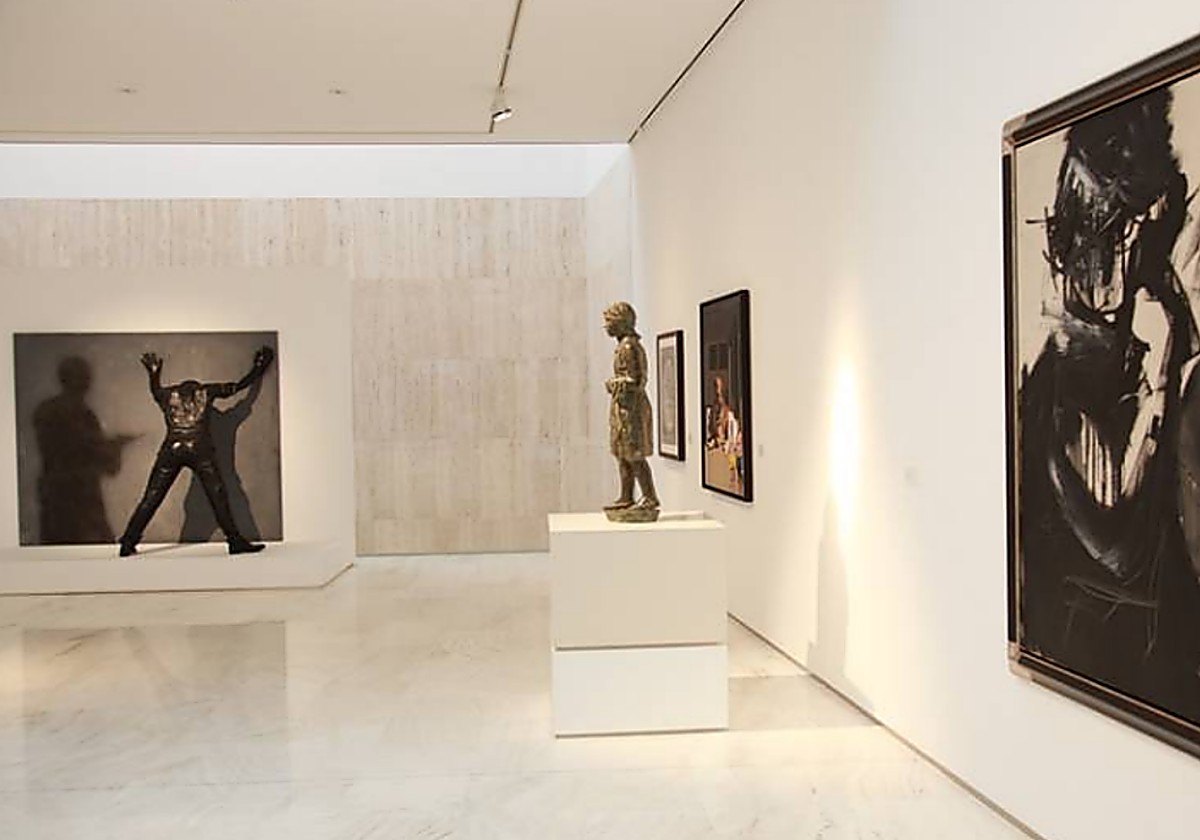
In the historic centre of the city, opposite the monumental Basilica of Santa Maria, stands the Museum of Contemporary Art of Alicante, an imposing building constructed in the 17th century as a grain warehouse, now housing some of the city's most important exhibitions. It features a temporary exhibition hall and four rooms with permanent exhibitions.
Currently, and until January 25, 2026, you can visit 'Juana Francés: The Making of a Modern Artist (1945-1956)', an exhibition exploring the origins of the prolific artist's painting: her formative years, her most symbolic figurative phase, and her transition to abstract art. Her works delve into highly relevant themes such as motherhood and spirituality.
Visitors will also have the privilege of seeing two works by the artist Sonia Delanunay, on display at the MACA until January 2026 as part of the 'Contexto Vanguardia' programme. These works showcase a diversity of techniques, from collage to lithography and textile techniques.
Additionally, the MACA holds several permanent collections that traverse the main art movements of the 20th century. One of them, donated by Eusebio Sempere to the city, consists of a staggering 177 pieces, including paintings, sculptures, and drawings by the greatest artists of modernity and the avant-garde of the past century.
The MARQ and its Permanent Exhibition
1 /
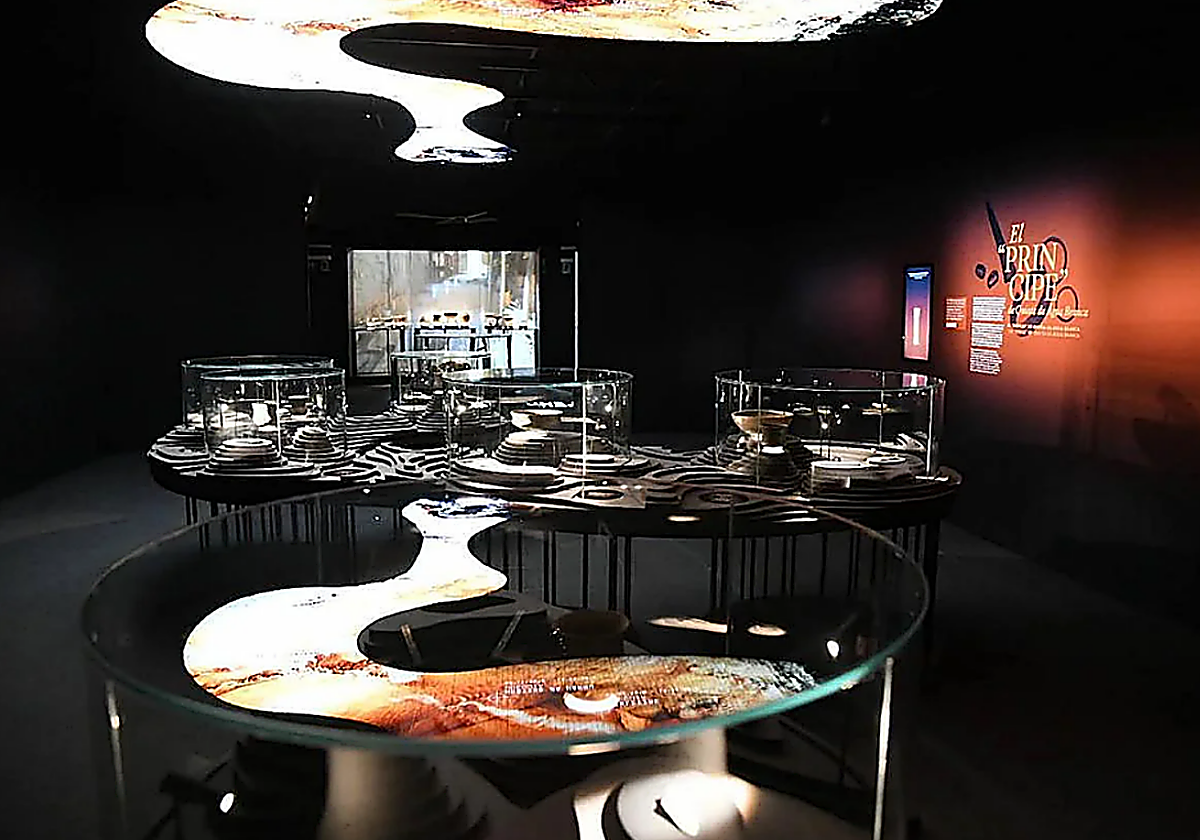
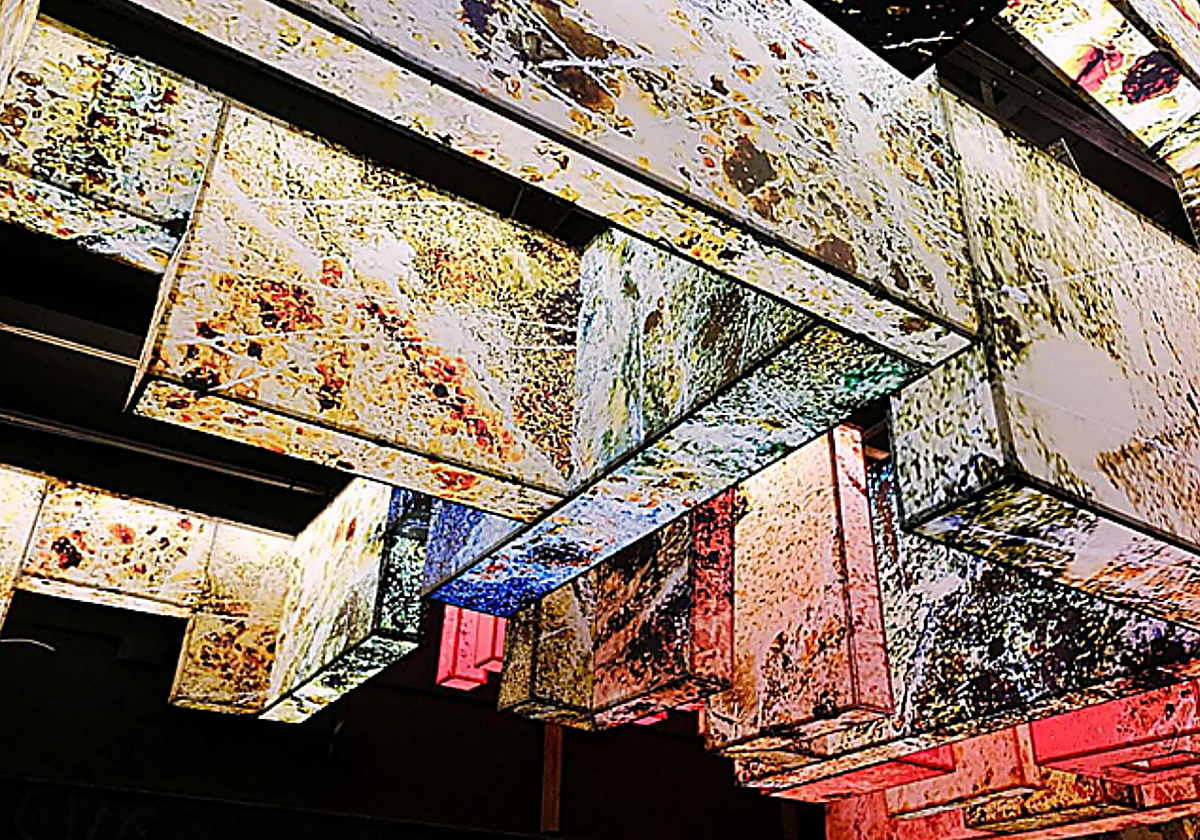
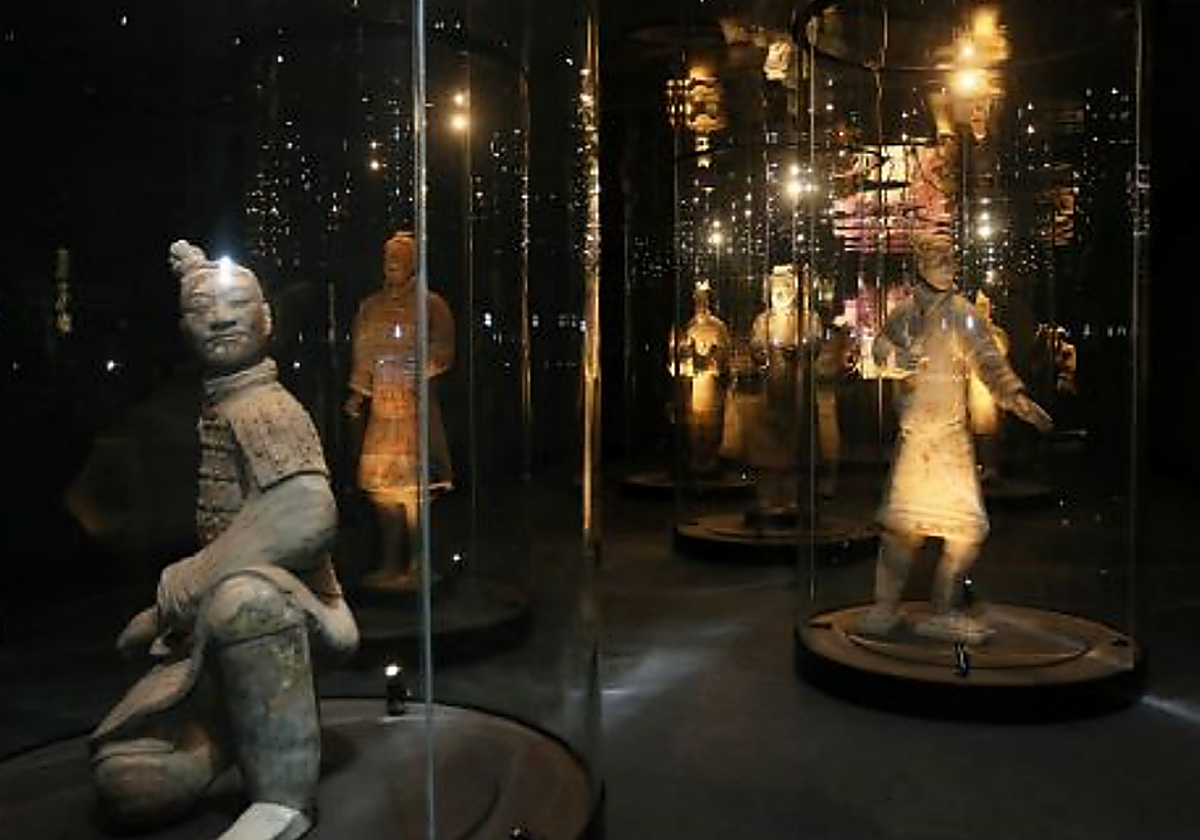
The Provincial Archaeological Museum of Alicante (MARQ) houses a fascinating permanent exhibition that is educational and rigorous, yet fun and spectacular. In fact, more than an exhibition, it is a historical journey across the Alicante landscape throughout Prehistory, the Iberian Culture, the Roman Culture, the Middle Ages, the Modern Age, and the Contemporary Era.
One of the keys to this exhibition is that, unlike others, it allows visitors to understand the archaeological method. The Field Archaeology, Urban Archaeology, and Underwater Archaeology rooms offer a variety of scenographies, audiovisual resources, and interactive proposals that provide visitors with the opportunity to discover the past in an enriching and interesting way. Through this link, you can access all their audio guides.
The MUBAG, a Museum in Continuous Present
1 /
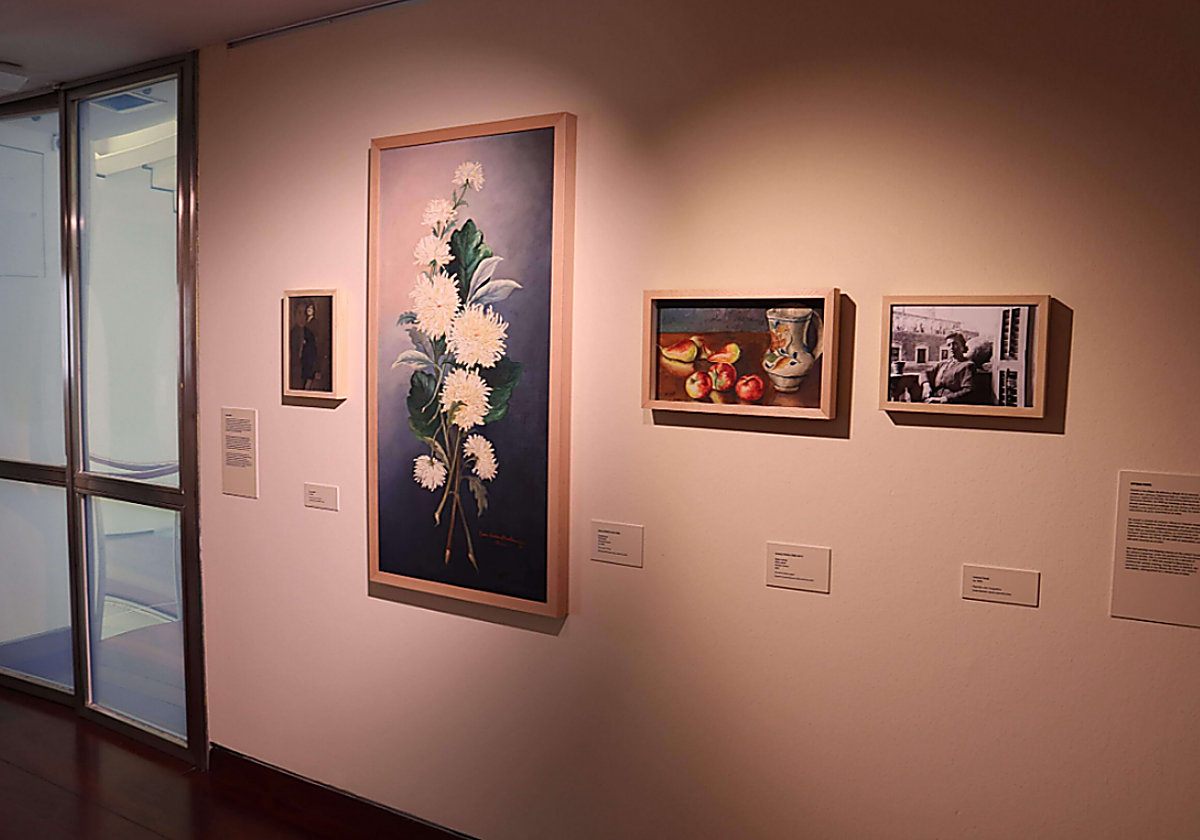
At the Museum of Fine Arts of Alicante (MUBAG), there are numerous exhibitions of great interest. 'A World Like Ours', by Pablo Genovés, is a photographic exhibition that fuses museum pieces and elements of Alicante, inviting visitors to discover hidden details in a highly contemporary visual journey.
Another interesting exhibition is the tribute to artist Lorenzo Aguirre through 'Alicante in Aguirre's Time', a showcase that contextualises the artist's work within the vibrant Alicante life of his time, alongside artists such as Pericás, Varela, or Guillén.
On the other hand, 'The Capture of Time in the Work of Didier Petit' showcases part of the French painter's work during his time in Alicante, narrating the evolution of the city's cultural landscape and incorporating some of the first photographs of the 20th century.
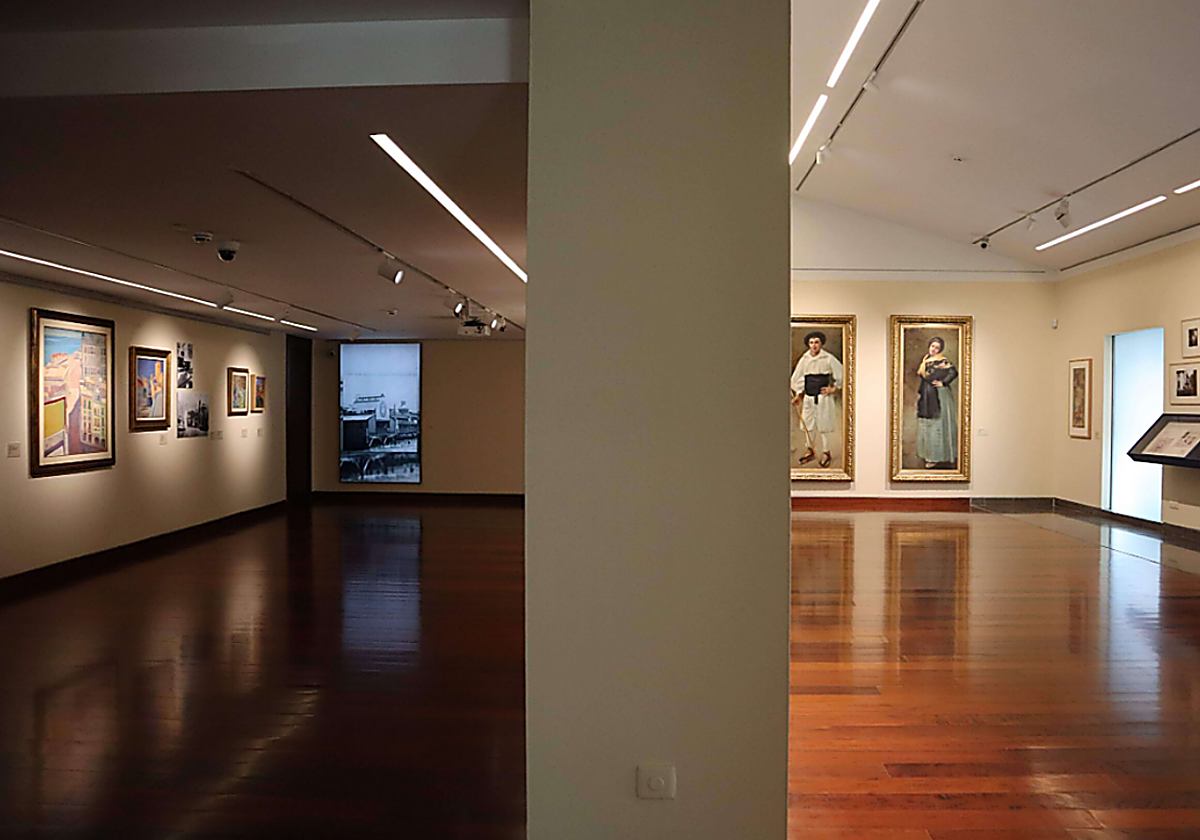
The MUBAG also features a permanent exhibition that explores the 19th century. Under the name 'The Collection of Light', it pays homage to artists whose work marked the history of Alicante. From Antonio Gisbert to Joaquín Agrasot, including Emilio Sala or Lorenzo Casanova. More than eighty works that explore the numerous techniques and themes developed in the Spanish artistic panorama of the 19th century.
Museu de Fogueres
1 /
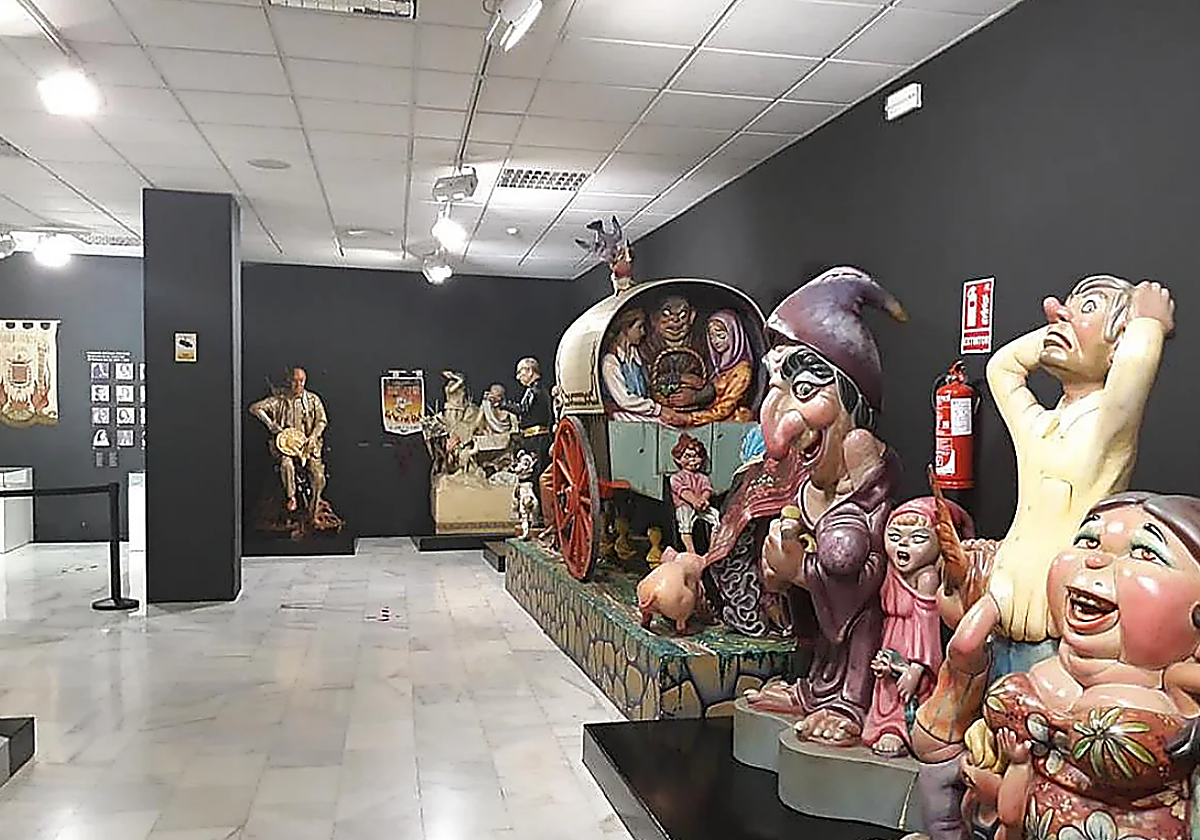
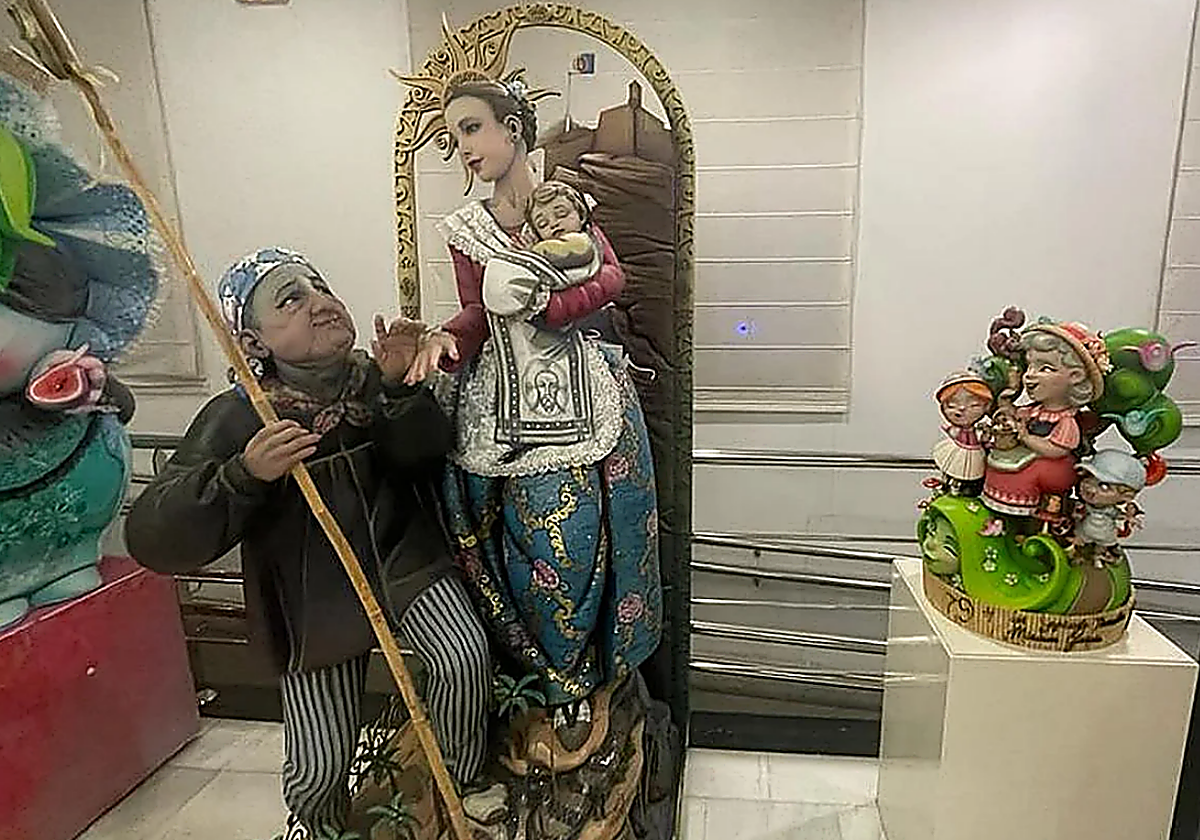
The Museu de Fogueres showcases, through documents, costumes, photographs, and other elements, the origin and evolution of Les Fogueres de Sant Joan, a celebration that since its creation in 1928 has become one of the city's main symbols of popular identity. In 1983, it was recognised as a Festival of International Tourist Interest, and in 2013 it was declared an Intangible Cultural Heritage.
The purpose of the Museu is for each visitor, upon completing their tour, to form as complete a vision as possible not only about the significance of these festivities in the city's life but also about all those aspects that make them so attractive, joyful, and participatory.
Among the most outstanding pieces are the Ninots Indultats, donated by their respective Hogueras over the years. These figures, saved from the flames by popular vote, are recognised for their great artistic value.
Through historical memory and the evocation of its main plastic, aesthetic, and festive expressions, the Museu de Fogueres invites its visitors to appreciate the richness of this tradition, also acting as a permanent showcase of the relevance of our Official Festival, declared of International Tourist Interest and Intangible Cultural Heritage.
The New Museum of Las Cigarreras
The year 2026 will be significant for the Alicante artistic and cultural scene, as it will host the inauguration of the International Museum of Las Cigarreras, which promises to house top-tier collections.
Among the exhibitions already confirmed is the private collection of the House of Alba, of immense value. There will also be exhibitions of Balenciaga, Sorolla, and, on the other hand, impressionists such as Marc Chagall, Toulouse-Lautrec, and Modigliani.