Delays in Diagnostic Tests and Mental Health Consultations Surge
Waiting times for MRIs or colonoscopies have increased by a month and a half since April, and by a month for psychiatric or psychological consultations.
Alfonso Torices
Madrid
Wednesday, 22 October 2025, 13:10
Delays in receiving key diagnostic tests such as scans, ultrasounds, MRIs, and colonoscopies have surged in Spain over the past three months. These tests are crucial for doctors to diagnose patients accurately. The same trend is observed in waiting times for mental health consultations. This is the direct impression gathered from the second wave of the 2025 Health Barometer by the Centre for Sociological Research (CIS), a survey conducted in July among thousands of Spaniards to assess their perception of the healthcare system's performance over the past year.
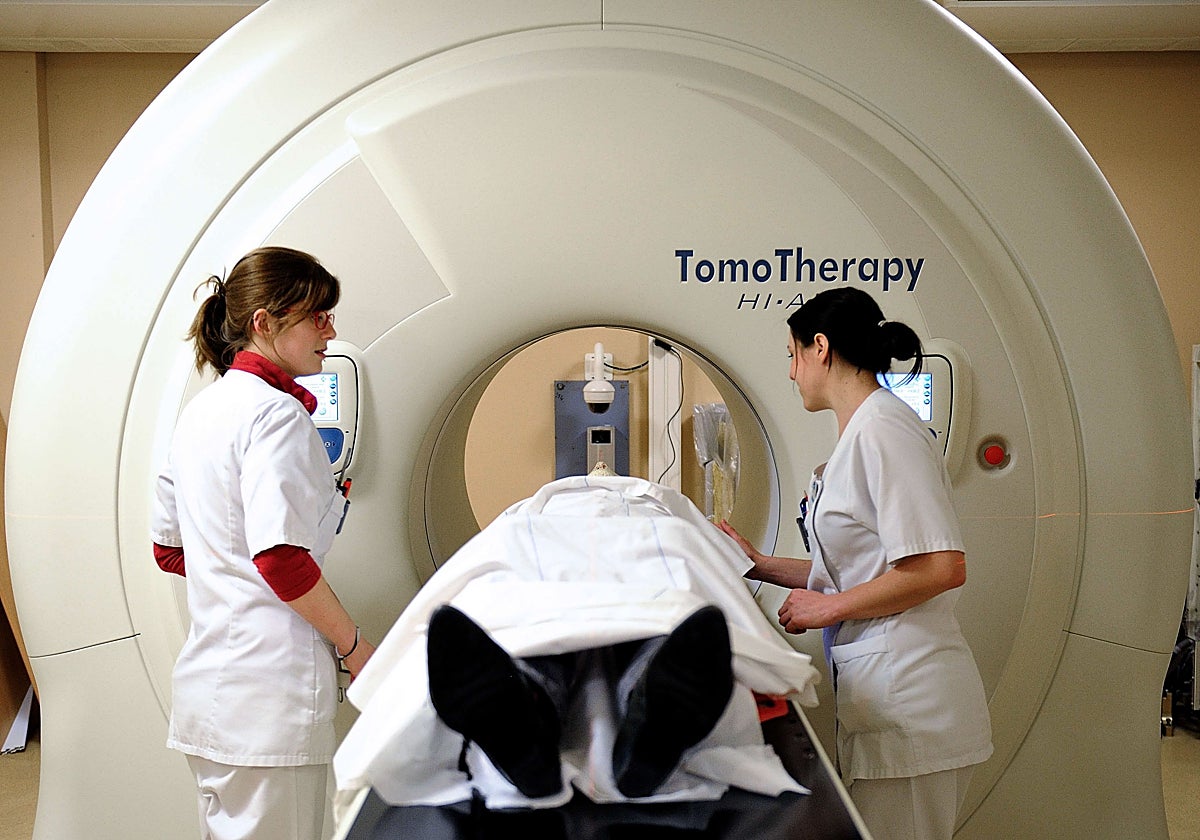
Patients report that from the time a doctor requests a scan to confirm or rule out a diagnosis, it takes an average of two months to receive the test, similar to the 66 days for an ultrasound. However, the situation worsens significantly for MRIs and colonoscopies. The average waiting time for an MRI is nearly four months (117 days), and for a colonoscopy, it exceeds five months (158 days).
Waiting times, already high, have increased since last April, when the CIS first inquired about diagnostic tests. The delay for a CT scan or ultrasound has risen by four days, but the wait for an MRI and colonoscopy, the latter often used to detect polyps and tumors in the intestine, has grown by a month and a half. These tests are vital for patient health, as evidenced by the frequency with which doctors request them. One in five Spaniards needed an ultrasound last year, 14% a scan, 12% an MRI, and 4.3% a colonoscopy.
The CIS notes a clear decline in satisfaction with care received in public health centers and hospitals.
Regarding mental health, the positive aspect is that the July barometer records a significant decrease in citizens needing to see a doctor or specialist for mental health issues or emotional disorders in the past twelve months. This need affected 17.7% of citizens, three points less than in April, marking a 15% decrease. The downside is that patients had to wait an average of 110 days (over three and a half months) for a first consultation with a public psychiatrist or psychologist, a month longer (32 days) than last April.
Another concerning statistic is the inefficiency in public mental health care, as 40% of those feeling unwell had to resort to private consultations (11% through insurance and 29% out-of-pocket), with only 51% covered by public healthcare. Among those who attended public consultations last year, 50% were satisfied with the care received (ten points less than in April), 75% said it met or exceeded expectations (ten points less), but one in three reported no improvement in their condition (five points more).
The wait to see a family doctor remains at nine days, but the time to see a specialist has reduced by 24 days.
With waiting times in primary and specialized care, the barometer presents mixed results. They remain very high in health centers but have significantly decreased in outpatient consultations. In primary care, 71% of those calling for an appointment must wait more than a day, but the average delay to see a doctor is nearly nine days (8.85). This is more than in spring, slightly more than a year ago, and the group that has grown the most is those waiting between 8 and 10 days.
Due to a quarter of Spaniards facing difficulties in securing a medical appointment at their health center due to saturation, more than half (53%) had to resort to hospital emergency services, even though their condition did not warrant immediate specialized attention.
However, waiting times reported by citizens for specialist consultations have decreased. On average, in the past year, it took 115 days (just under three months) to secure a first consultation after being referred by a family doctor. This is 24 days less than last April. As a result, those waiting three months or more for outpatient consultations have decreased to 34%, eight points less than three months ago.
Efecto dominó
Given the worsening delays in diagnostic tests, mental health, and the ongoing congestion in health centers, it is unsurprising that the CIS detects a decline in overall satisfaction with public healthcare over the past year. Satisfaction remains high among users, and citizens are clear that when health issues are severe, they prioritize public over private care, but the decline is evident.
52% of the population positively rates the functioning of the healthcare system in Spain, a decrease of 1.4 points, and the average satisfaction score is 6.02 out of 10, compared to 6.13 the previous year. Although nearly eight out of ten citizens who used primary care and 78% of those who needed hospital care rate both positively, the percentages have dropped by three to four points. Only emergency services maintain the 73% satisfaction they previously had.