Neuroscience UMH Addresses Innovative Therapies for Chronic Pain
International experts gather for a conference to discuss the main scientific challenges in the field
Pau Sellés
Alicante
Friday, 17 October 2025, 16:51
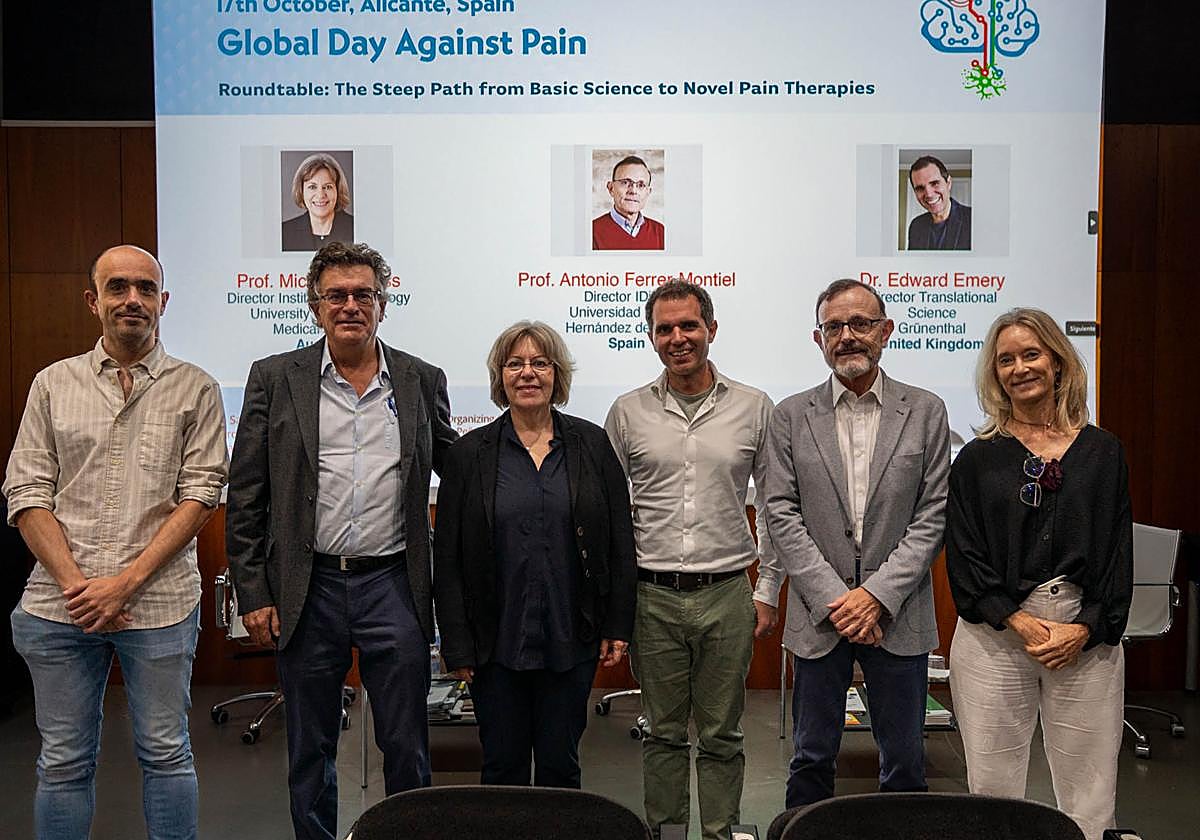
On the occasion of World Pain Day, the CSIC-UMH Institute of Neurosciences held a round table this Friday titled 'The Difficult Transition from Basic Science to Innovative Analgesic Therapies', dedicated to analyzing the main challenges in the search for new treatments for chronic pain.
The event brought together three prominent international experts: Professor Michaela Kress (University of Innsbruck, Austria), Professor Antonio Ferrer-Montiel (UMH, Spain), and Dr. Edward Emery (Grünenthal, Germany). The speakers provided complementary perspectives from academic, industrial, and pharmaceutical fields on the challenges hindering the development of effective therapies for millions of patients suffering from pain worldwide.
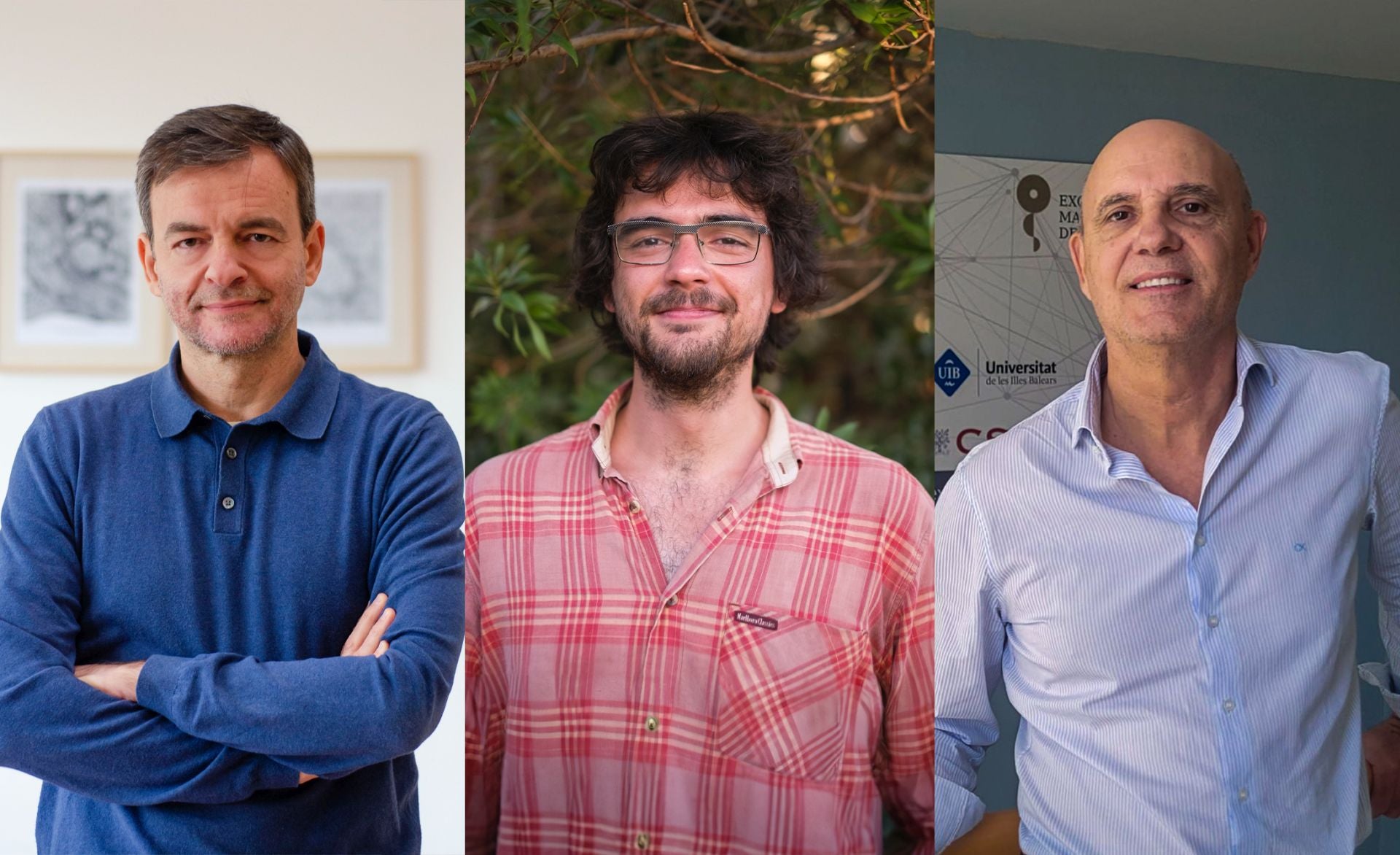
During the opening session, researcher Félix Viana, director of the scientific program Neurobiology of Pain and Inflammation at the Institute of Neurosciences, emphasized the importance of bridging the gap between basic research and clinical application: "Understanding the mechanisms of pain is advancing rapidly, but there are still obstacles that make it difficult to transform this knowledge into effective and safe treatments."
During the presentations, Professor Kress explained in her lecture how certain molecules of the immune system can modulate the activity of ion channels present in sensory neurons involved in pain processes, opening new avenues for the treatment of painful neuropathies.
"Understanding the mechanisms of pain is advancing rapidly, but there are still obstacles that make it difficult to transform this knowledge into effective and safe treatments"
Félix Viana
Director of the scientific program Neurobiology of Pain and Inflammation at the Institute of Neurosciences
Professor Ferrer-Montiel, who heads the Institute for Research, Development, and Innovation in Healthcare Biotechnology of Elche (IDiBE), analyzed in his presentation the challenges faced by the pharmaceutical industry in translating laboratory discoveries into clinical practice, highlighting the need for more predictive preclinical models and greater exchange between basic and applied research.
Finally, Emery (Grünenthal) presented various therapeutic alternatives based on topical and local formulations that could improve the efficacy and safety of analgesics compared to the limitations of traditional oral treatments.
The round table concluded with a lively debate among participants and the audience, which was largely composed of young predoctoral, postdoctoral researchers, and master's students. They were able to ask questions both in the room and anonymously through the SLIDO application, generating a very enriching exchange.