Aiju's pioneering European projects to boost the Circular Economy in the toy sector
The Technological Institute hosted a day to showcase the different initiatives aimed at providing companies with the knowledge and resources needed to face the challenges in this area
Todo Alicante
Alicante
Thursday, 24 October 2024, 13:46
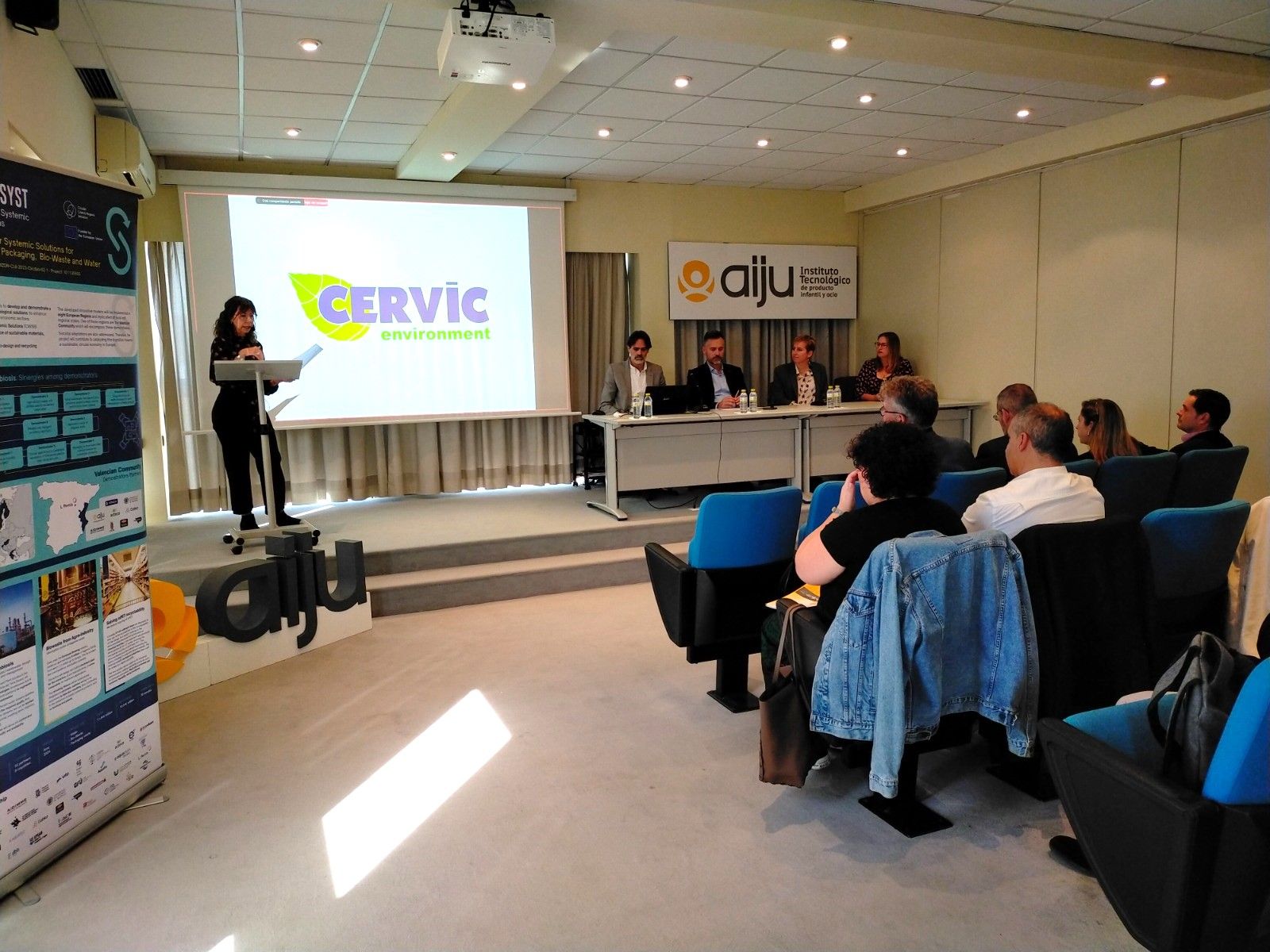
The Technological Institute of Children's Products and Leisure-AIJU presented this morning, at an event held in Ibi, three major pioneering European projects it leads, aimed at promoting the circular economy and sustainability in the plastics sector and the region.
The goal of this event, which included AIJU technicians and representatives from other entities such as CEGAE, ACTECO, and EURADA, is to showcase the various initiatives aimed at equipping companies with the knowledge and resources necessary to tackle current challenges in circular economy.
To this end, successful case studies of companies in this field were presented during the meeting to inspire continued progress towards a more sustainable future.
As explained by Joaquín Vilaplana, coordinator of the event, "it is essential to develop business models that integrate the circular economy as a key element to achieve economic and environmental sustainability. This approach not only helps protect the environment but also generates new economic opportunities and fosters collaboration between the public and private sectors, vital for ensuring a sustainable future."
European initiatives
The CIRCVET project was one of the projects showcased during the event. Presented by CEGAE, this project, which involves eleven partners from six different countries, aims to develop more extensive, open, and "tailored" education in Circular Economy of plastics at the European level, according to the needs and problems of companies.
Attendees also learned more about the Precycling Project, which aims to ensure the consistent quality of recycled materials and their safe use in household appliances, toys, and textiles, demonstrating that unique, high-quality materials made from such waste can be reused, both within the same supply chains and in new products.
Additionally, the CIRCSYST project, presented by EURADA under the CCRI (Circular Cities and Regions Initiative), will implement nine pilot demonstrations of systemic circular solutions for wastewater reuse and the valorization of biowaste and food packaging waste across Europe, three of them in the Valencian Community, coordinated by AIJU and AIDIMME.
In addition to the presentation of these projects, two round tables were held during the event. The first included companies like Cervic, ITC, Ripay, and ERUM, who shared their experiences in implementing circular economy strategies.
The second table was composed of representatives from business associations and public entities such as ACTECO, AVEP, and IBIAE, who discussed the importance of public-private collaboration to advance towards a sustainable and realistic future. Additionally, during this last table, the Alicante Provincial Council addressed the CLIMAAX project, which funds the development of a risk study derived from climate change in the Foia de Castalla.