Do You Think You Know Everything Before Hitting the Road with a Motorhome or Campervan?
N. S.
Saturday, 11 October 2025, 10:05
When you decide to get into a campervan or motorhome for the first time, it's important to note a series of guidelines to ensure everything goes perfectly and to dispel a myth, especially that "driving a motorhome is complicated and dangerous." The reality is different. If your vehicle does not exceed 3.5 tonnes, it drives almost the same as a regular car. The key lies in preparation and paying attention to some specific details that make the difference.
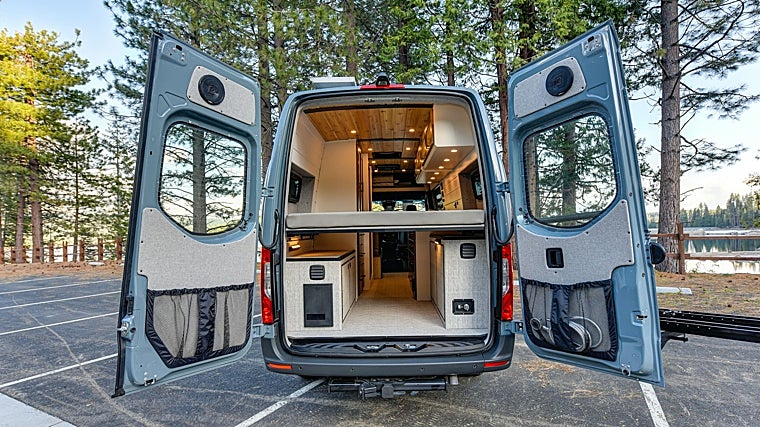
First, before setting off, distribute the load properly. Poor weight distribution can be very dangerous. Therefore, it is advisable to distribute the load with attention to aspects such as balance: place heavier items on the floor and centred between the axles. Height, because you should avoid storing weight in high cabinets. Raising the centre of gravity increases the risk of tipping over. Also, everything should be well secured, according to Yescapa. A bottle, a laptop, or any loose object can become a projectile in a sudden stop.
Likewise, knowing the exact dimensions of your motorhome or campervan is essential. A sticker on the dashboard with height, width, and length can save you from low bridges, tunnels, or narrow streets. Ensure your driving licence, technical sheet, insurance, and MOT are up to date. Remember that if it exceeds 3.5 tonnes, you will need a category C licence, that is, for heavy vehicles. Also, check the safety equipment: reflective vests, triangles, extinguisher, and first aid kit. Also, check the gas cylinder and ensure there are no leaks.
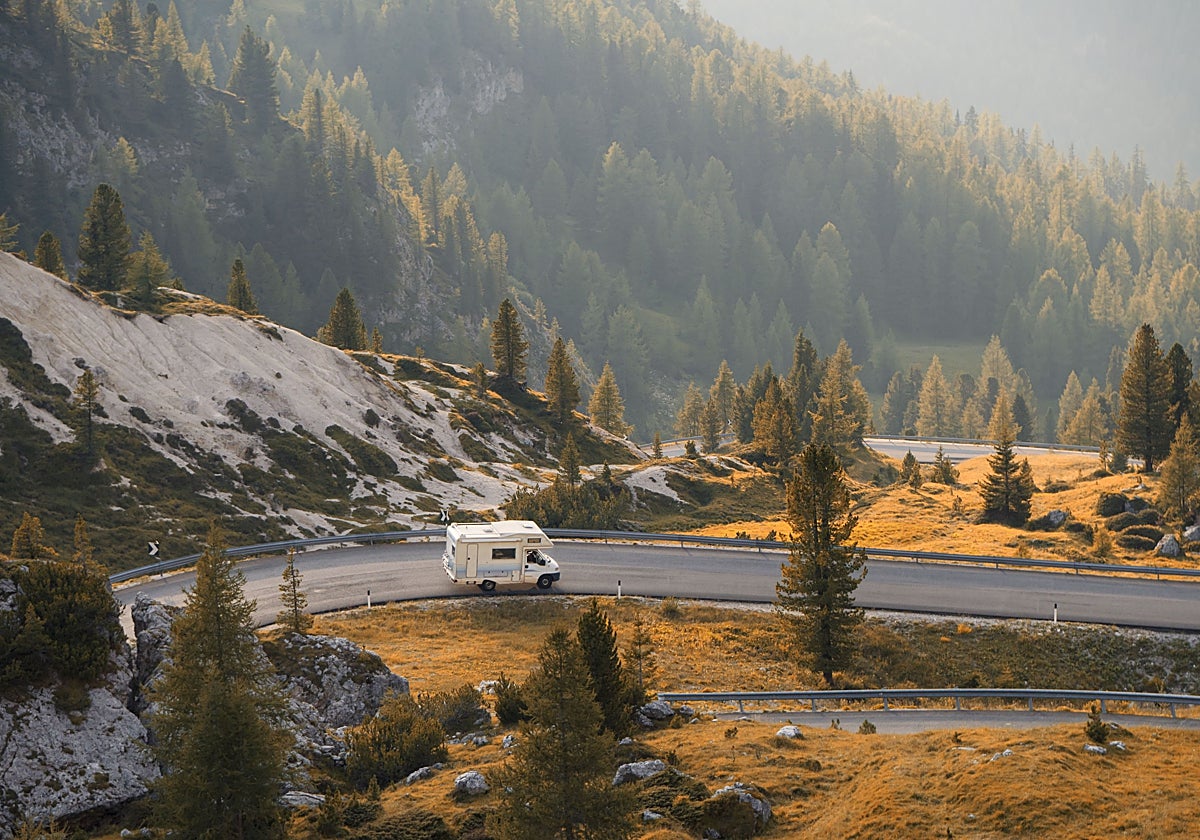
In these types of vehicles, it is advisable to drive with anticipation, meaning they are heavier vehicles and it is wise to brake earlier than with a car, as well as doubling the safety distance. Similarly, their large side surface makes them sensitive to wind. If there are strong gusts, reduce speed and hold the steering wheel firmly. Be cautious with overtaking trucks! The "slipstream" effect can destabilise the vehicle. In roundabouts or intersections, take the curve wider than usual, as the rear may hit signs or bollards. Use mirrors constantly for blind spots and, if possible, ask a co-driver for help when reversing.
When travelling in a motorhome or campervan, it is important to plan the route with a GPS for large vehicles. This way, we avoid surprises like finding ourselves, unintentionally, on an extremely narrow road, for example. Also, remember to use the engine brake on long descents to prevent the brakes from overheating.
Make stops every two hours. Driving a large vehicle is more tiring. Therefore, it is advisable to take a break at least every two hours to rest and stretch your legs. Finally, when parking, always look for flat and firm ground. If there is an incline, use chocks to level the vehicle. Always remember to activate the handbrake and leave a gear engaged: first gear uphill, reverse downhill. Choose campsites or designated areas for motorhomes. Close doors and windows, and do not leave valuables in sight.