"'Street Reporters' Has Taught Me to Believe in Humanity"
Leads the team of reporters for this iconic format, returning this Wednesday to Cuatro with the odyssey of buying a first home
J. Moreno
Wednesday, 8 October 2025, 11:15
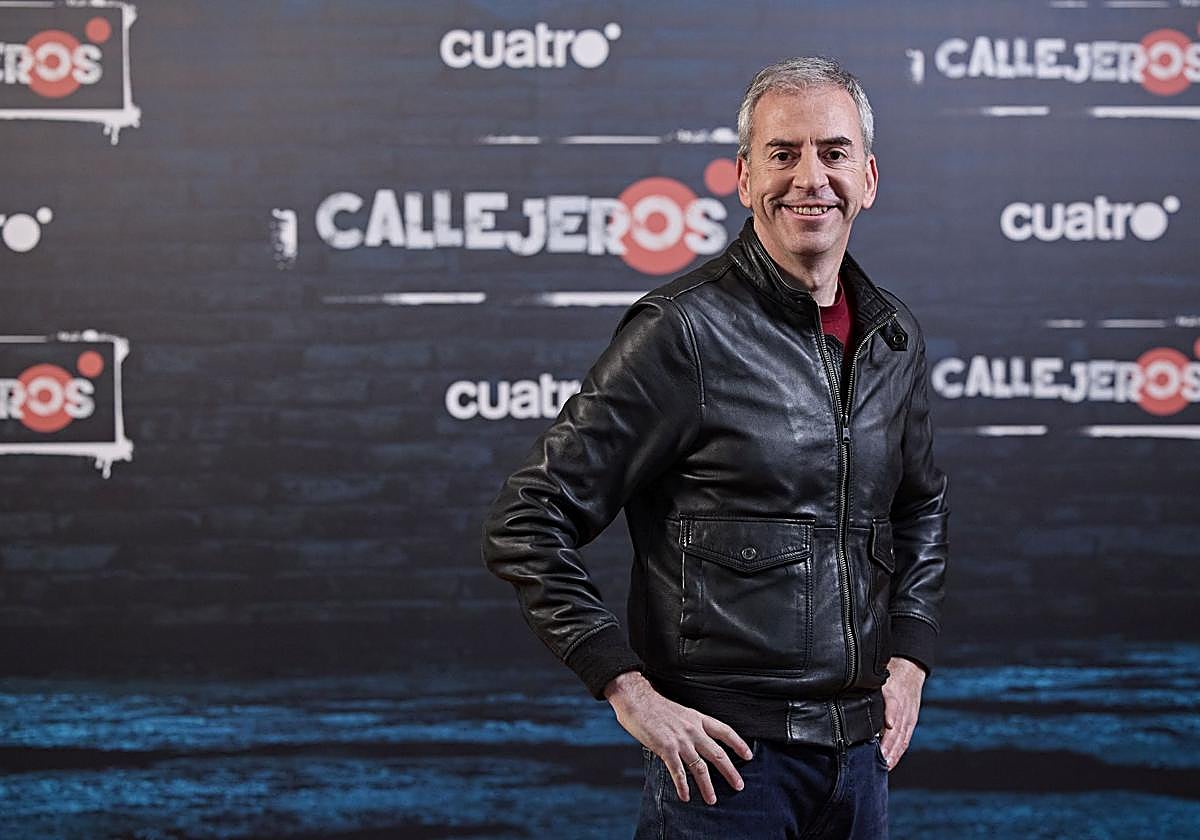
The immense challenges faced by the general population, particularly the youth, in acquiring a home will be the central theme of the first new episodes of 'Street Reporters', returning to Cuatro this Wednesday (10:45 PM) with a season addressing issues such as mental health, gender violence, urban exodus, and homelessness. Leading the iconic format is journalist Nacho Medina (Madrid, 51 years old), one of the most renowned reporters of this program, produced by Mediaset in collaboration with Señor Mono, celebrating its twentieth anniversary this November.
-The season begins with the housing crisis. Is the situation more dramatic than it seems?
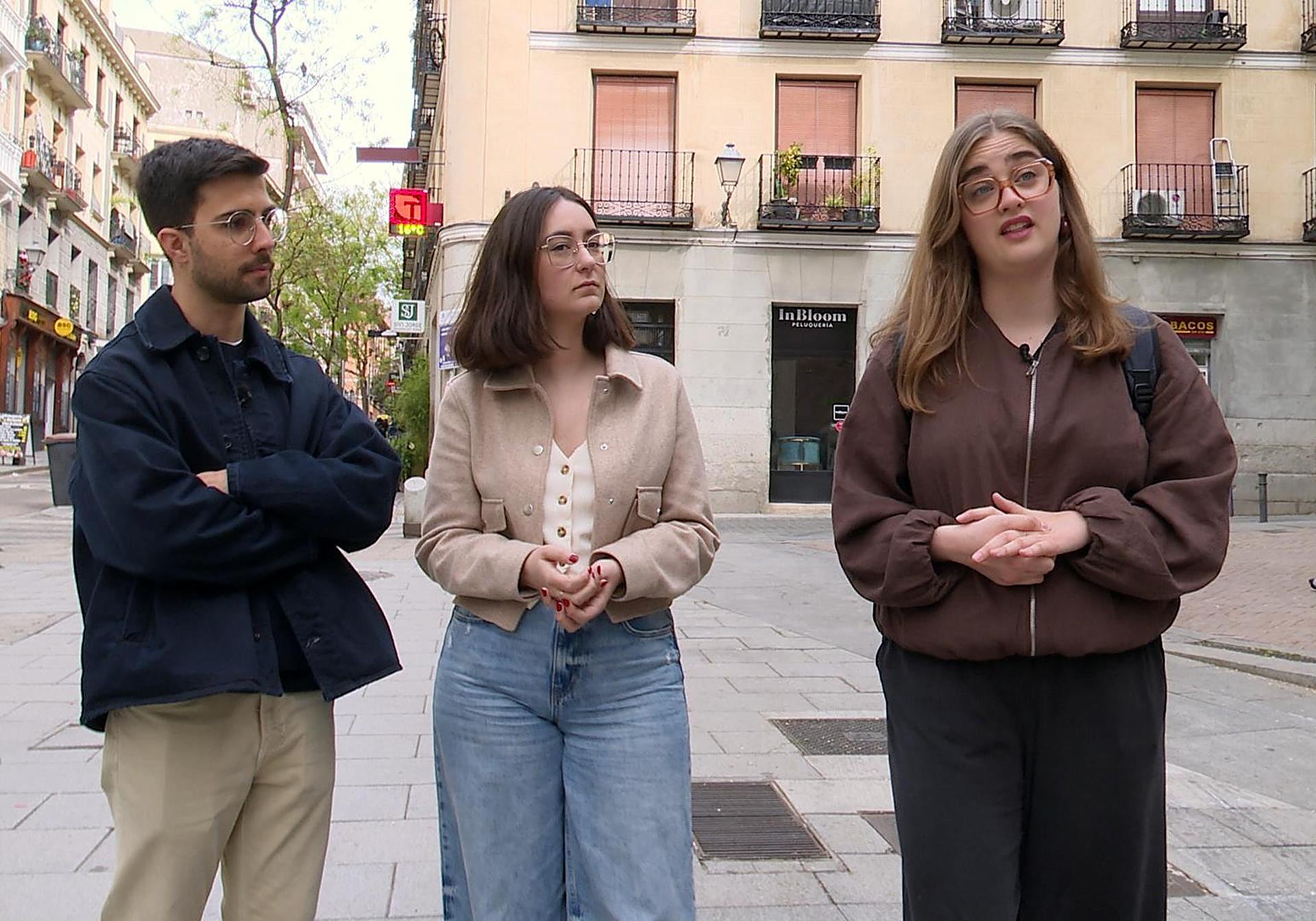
-It left me cold when recounting two or three stories I was filming. It's an emergency, a social alarm. Speaking with an anthropologist expert in housing, who wrote a book titled 'The Kidnapping of Housing', he tells you that nowadays buying a flat depends solely on your ability to inherit your parents' home... That's terrifying. We found a twelve-square-meter flat in central Madrid listed for 125,000 euros on a real estate portal. But what's happening? Living in less than 25 square meters is considered vertical slum. And then there are people who, at 50, can't get a mortgage.
-You've spoken with experts, what solutions do they propose? Is housing an issue that could spark street protests?
-I believe the issue will explode when there's no more land. We're in such a significant social emergency that it's about to erupt on the streets. That's my view. Experts' advice? Remove taxes for those who own a property and rent it out; or streamline all processes. They also cited Singapore as an example, where people with more than two or three homes who don't rent them out are fined. The gap is widening significantly, from the richest to the poorest. Nearly half of the homes bought in Spain by 2025 are paid in full.
-In twenty years of social reporting on 'Street Reporters', have the problems been minimized or resolved?
-Social issues persist to the extent that we continue making reports on roadside prostitution. There are still many exploited women, even growing in the streets, without any physical or health security. But also on social experiences. The second episode I made twenty years ago was about people living on the streets in Barcelona. It still happens. There are still hundreds of people in Spain living on the streets, exposed, on a blanket on the ground. But not people with major economic problems or intervention issues; people who might have had a small emotional setback, who have fallen, figuratively, and didn't have a family network to lend a hand and help them get back on their feet. It should concern us all to see that there are still people who have to live on the streets.
-Does being a reporter for 'Street Reporters' open doors?
-Fortunately, yes. 'Street Reporters' is a brand of closeness. We are in great need of talking to others. We film in cities and people thank us. But the gratitude is for them, for letting us tell their story. In 'Street Reporters', we are so far from AI and so close to the skin that people want to talk to us. We are their therapy.
-What has this program given you?
-It's been everything. I started as a reporter at 31 and deputy director. And now at 51, I'm still a reporter and the director. It has taught me to believe in humanity.
-In the era of social media, with so many unqualified reporters making videos on TikTok, could this pose a threat to classic journalism and programs like 'Street Reporters'?
-No, because they are short videos. Of course, there are exceptions, but you're talking about short videos with a stronger rhythm than 'Street Reporters', aimed at 'likes' and 'scrolling'. 'Street Reporters' is about pause. It's 'I stay with you, tell me, and I hold your hand'. Even if it's only three minutes that you broadcast, this format has a different pace from social media. There's no trickery.
-'Street Reporters' has also created viral phenomena that, to this day, continue to flood social media. How do you experience this?
-There's more fear of becoming viral now than before. But for something to have gone viral and become part of popular culture, like the baptistery of Encarnita and Josefina, for songs to have been made, adaptations created, a documentary wanted, well, all of that always makes you proud because, in the end, 'Street Reporters' is already part of Spain's television history.