Scientific Expedition Between Land and Sea to Discover Alicante's Coastal Species
UA Students Conduct Campaign at Cape Santa Pola to Identify Flora and Fauna
Adrián Mazón
Alicante
Wednesday, 15 October 2025, 17:31
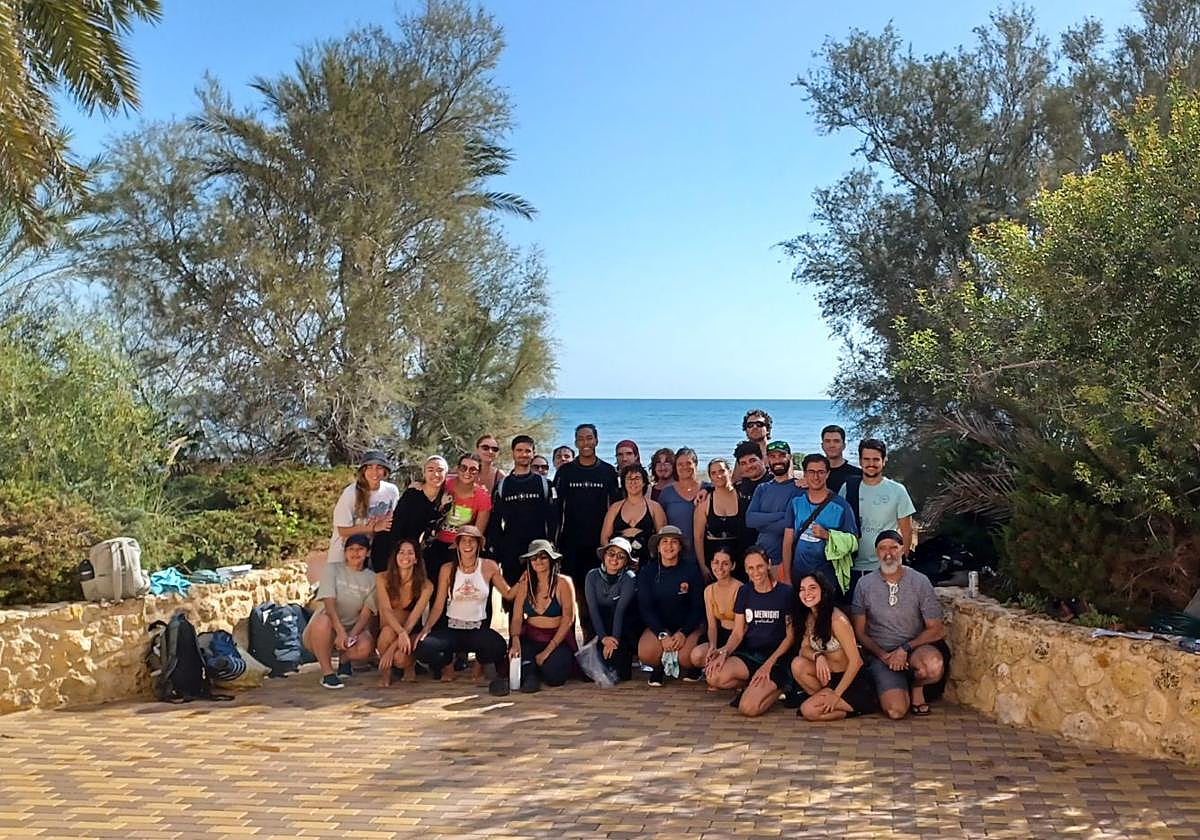
No ordinary academic practice. For four days, students from the Master's Degree in Biodiversity Conservation and Restoration of Marine and Terrestrial Environments at the University of Alicante left the classrooms to embark on a genuine scientific expedition around Cape Santa Pola.
From the Marine Research Centre of Santa Pola (CIMAR), each dawn and dive turned into a quest for life among shifting dunes, limestone cliffs, and underwater meadows that conceal some of the Mediterranean's most unique species.
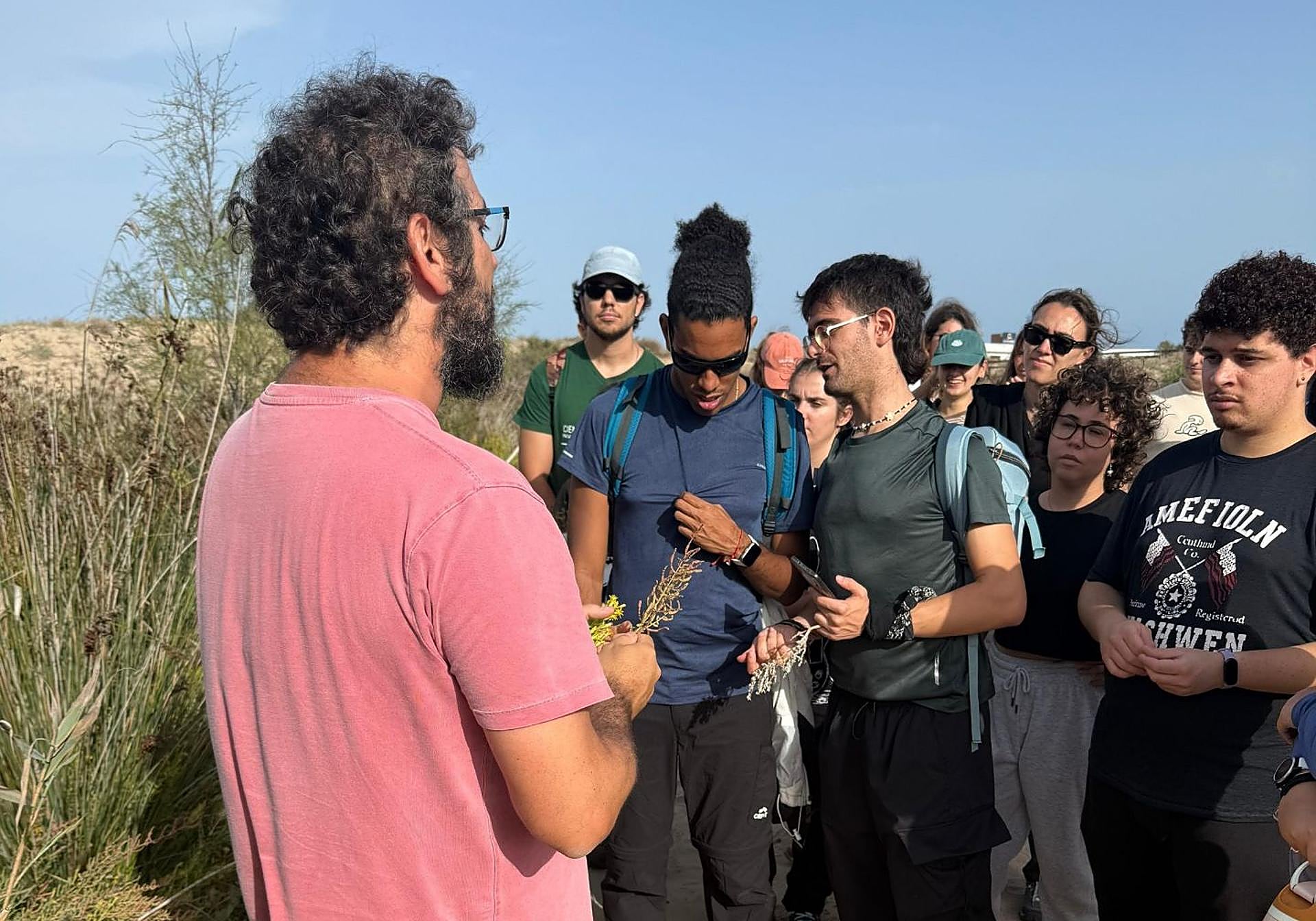
Unlike other practices, there are no desks or projectors here. There are compasses, magnifying glasses, field notebooks, and tides. "Understanding species and their adaptations is crucial for our students to apply conservation policies or carry out restoration projects in the natural environment in the future," explains the master's coordinator, Germán López.
Adventure Begins
The itinerary starts at Carabassí Beach, where students identify plants that thrive only where the wind shapes dunes. Among them are sea hornwort, sea alfalfa, and sand couch grass. Further on, the landscape becomes saline, revealing salt marshes, tamarisks, and sea lavenders in a land that has learned to endure without water.
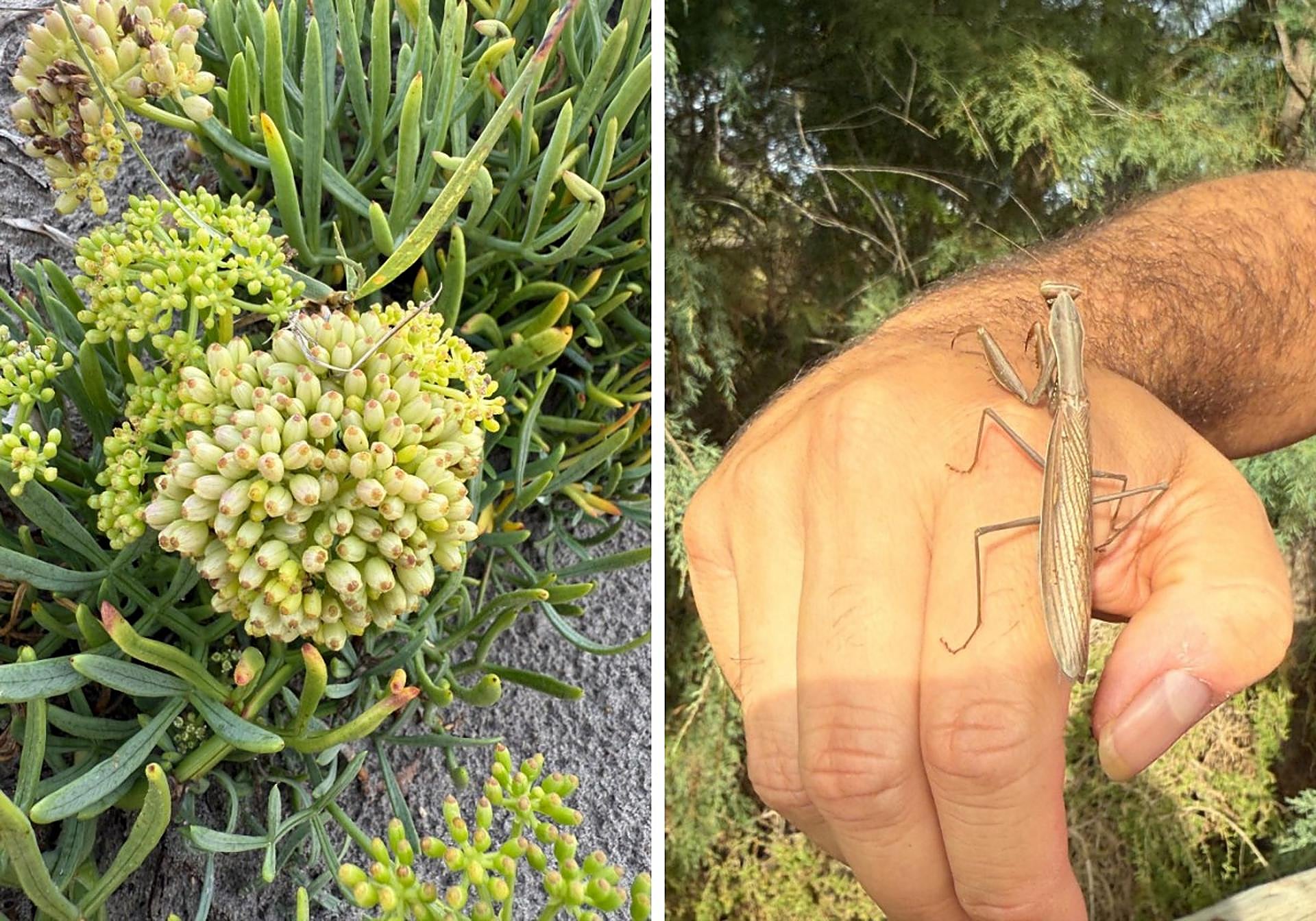
The route then ascends to the Barranc de l'Escolgador de Crist, where a botanical micro-reserve hides species as unique as the winter clematis and the 'Teucrium buxifolium' thyme. Here, the silence is broken only by the crunch of soles on rock.
Secrets of the Sea
It is in the marine environment where the true expedition begins. UA students dive off the coast of Cape Santa Pola to observe 'in situ' the seagrass meadows and the so-called underwater forests, true jungles that filter water and support dozens of species.
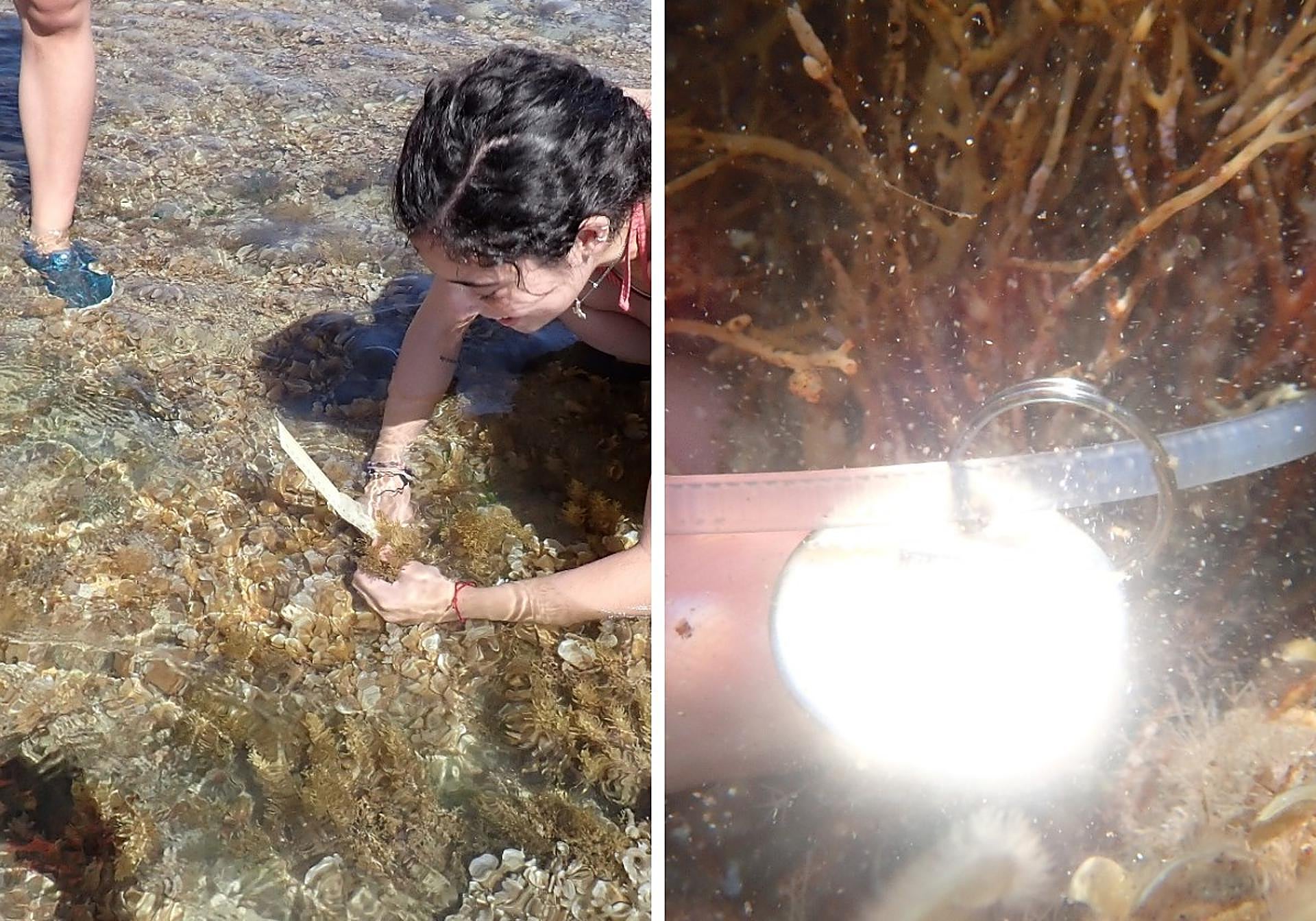
In one of the workshops, teachers also show them the invisible threats, such as the spread of the Asian algae 'Rugulopteryx okamurae' and the expansion of 'Caulerpa cylindracea', two invasive species capable of altering the entire ecosystem.
Recognising Beauty and Damage
After the expedition, students access the CIMAR laboratory facilities, where they analyse samples, identify patterns, and face, for the first time, the keys to environmental diagnosis. They learn to recognise not only beauty but also damage.
With all they have learned, students have the opportunity to select and use sampling methods to conduct inventories and monitor marine animal communities. The ultimate goal is to assess the conservation status and the influence that human activities such as tourism, fishing, or shellfishing may have on marine ecosystems.