Antidepressant Sales Surge by 24% in Spain Within a Year
The increase in consumption has been consistent since early 2024, peaking after holiday breaks and particularly affecting women.
Alfonso Torices
Madrid
Friday, 10 October 2025, 13:50
Spain is facing a significant mental health crisis, exacerbated by its high consumption of psychotropic drugs, leading the international charts in usage.
Today, Cofares, a leading pharmaceutical distribution company, revealed that antidepressant sales in Spain have risen by 24% in just twelve months. Women are the primary consumers, purchasing these drugs 1.5 to three times more than men.
The report highlights that this is not an isolated incident but a sustained trend, with sales consistently increasing since early 2024.
Over the past twenty months, there has been a steady rise in sales, with notable spikes following major holiday breaks, particularly in January, February, March, September, and October.
Four in ten Spaniards live with a mental health issue, making it the country with the highest use of psychotropic drugs.
Depressive disorders are now the third most common mental health issue in Spain, affecting nearly 50 out of every thousand people, following anxiety and sleep disorders.
The observatory estimates that four in ten Spaniards face mental health challenges, with age and gender playing significant roles. Anxiety affects 10% of the population, doubling in women and being the leading health issue among the youth.
Two more statistics underscore Spain's mental health problem: these issues are the leading cause of sick leave among the young and the second among adults, with Spaniards being the most concerned about psychological distress in Europe after the Swedes.
Sobremedication
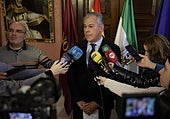
The Health Minister reiterated today the irregularity confirmed by Cofares data and Spain's 'premium' position in the international ranking. Spain faces an overconsumption issue with psychotropic drugs. Approximately 4.5 million citizens, or 10% of those over 18, take anxiolytics, hypnotics, or antidepressants daily, 16% weekly, and up to 27% monthly.
Mónica García attributes the overprescription to the overwhelmed public healthcare system, which limits psychotherapy as a viable alternative and leads to the medicalization of emotional distress, often caused by adverse socioeconomic conditions. She argued that mental health is heavily influenced by "postcode lotteries" and that solutions lie in policies that improve housing access, extend universal basic income, reduce job insecurity, and enhance work-life balance. Psychotropic drug use is eight times higher in disadvantaged families and neighborhoods than in affluent ones.
The mental health action plan approved by the ministry in April aims to increase psychologists and psychiatrists in public healthcare and includes guidelines to reduce the high prescription levels of psychotropic drugs among doctors.